Home Security
Deck builders manage permits, footings, framing and safety details that affect durability. Here’s what homeowners should know.

At first glance, a backyard deck can seem like a straightforward addition. A flat surface, some timber boards, and a few steps. In reality, deck builders manage a long list of structural, regulatory and design considerations that sit beneath that clean finish. For homeowners planning an outdoor upgrade, understanding what happens behind the scenes helps set realistic expectations and leads to better decisions when hiring.
Planning and Approvals
Before construction begins, there is planning work to complete. Site conditions, soil type and drainage all influence how a deck is designed. What looks level may still require adjustments once proper measurements are taken.
Council approvals and local building codes also need to be considered. Requirements can vary depending on deck height, location and whether it is attached to the house. Deck builders typically handle these requirements early to avoid delays.
Layout planning is another key step. The size and position of the deck affect how it will be used. Outdoor furniture and foot traffic can take up more space than expected, so careful planning helps ensure the area works in practice.
Footings and Foundations
The structure of a deck starts below ground. Footings need to be dug to the correct depth and size, based on soil conditions and load requirements.
Accurate placement is just as important. If footings are not aligned properly, the structure can end up uneven. Small errors at this stage can affect everything that follows.
Deck builders calculate load requirements and ensure the foundations are stable, helping prevent movement or long-term issues.
Framing and Structure
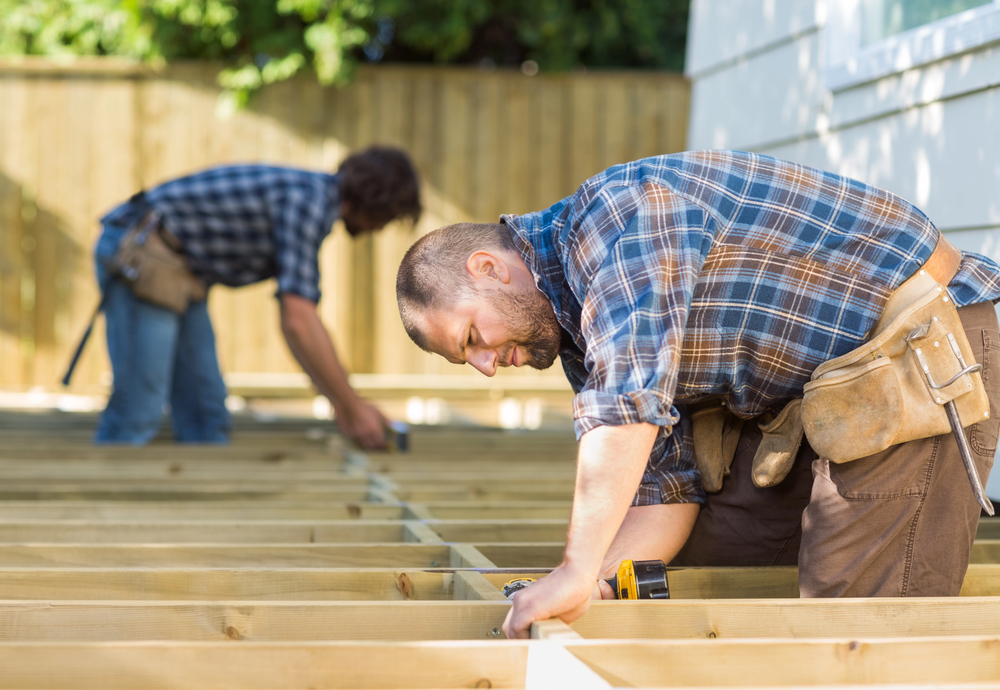
Once the foundations are in place, the frame is built. This includes posts, beams and joists that support the deck.
Each component needs to be installed with precision. Joists must be spaced correctly, beams must be level, and all connections require suitable fixings. The size of materials used depends on the span and expected load.
Pressure-treated timber is commonly used for framing because it resists moisture and decay. Builders also check each piece for straightness to ensure a consistent finish.
Attaching the Deck to the House
If the deck is connected to the home, the attachment point is critical. This is usually done with a ledger board fixed to the house structure.
The ledger must be secured using appropriate bolts and spacing, ensuring it connects to structural elements rather than external surfaces. Flashing is also installed to prevent water from entering the home.
Incorrect installation at this point can lead to structural problems or water damage over time. Deck builders follow current standards to ensure the connection is secure.
Materials and Finishes
Decking materials affect both appearance and maintenance. Timber is widely used but requires ongoing care. Composite decking is often more durable and requires less maintenance over time.
Framing materials also need to suit the environment. Ground-contact rated timber is used where exposure to moisture is expected. Any cuts made during installation should be treated to maintain durability.
Deck builders help homeowners choose materials based on budget, climate and how the space will be used.
Deck Height and Access
Deciding on deck height affects both design and usability. Many decks are built level with the back door for easier access between indoor and outdoor spaces.
Lower decks can reduce the need for railings depending on local regulations. However, they may require different installation methods, particularly when attaching to concrete or foundation elements.
Railings and Safety
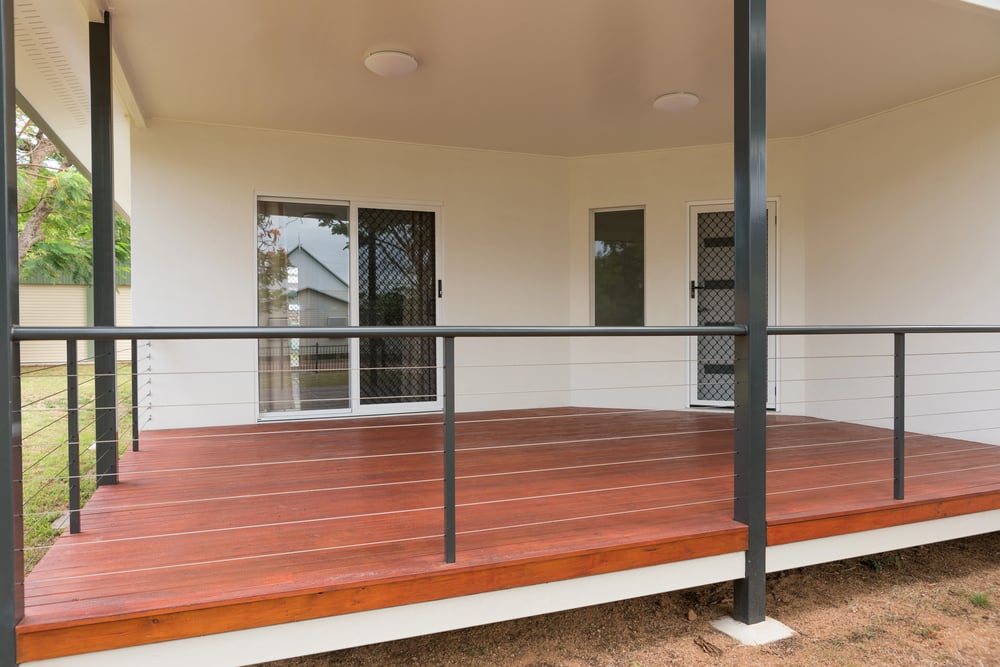
Railings are an important safety feature, especially for elevated decks. They need to be strong and properly secured.
In many cases, support posts are extended to serve as part of the railing system. This provides better stability compared to attaching railings after the deck is built.
Local codes may also specify requirements for railing height and spacing, and professionals ensure these are met.
Common Construction Issues
Several issues can arise when key steps are not handled properly. These include incorrect footing sizes, uneven framing, poor fastening methods and inadequate waterproofing at connection points.
Material selection can also affect performance. Using the wrong type of timber or failing to treat exposed cuts can lead to early deterioration.
These issues may not be visible immediately, but can affect the deck over time.
Working with Deck Builders
Deck construction involves structural work, planning and compliance with regulations. Experienced deck builders manage all of these aspects while ensuring the build meets required standards.
They can also provide plans, permits and details of previous work, helping homeowners make informed decisions.
For those planning a deck, platforms like ServiceSeeking allow you to compare quotes and find deck builders suited to your project. A well-built deck reflects the work that goes into it, even in the parts that are not immediately visible.