Senior-friendly home renovations can improve access, safety and comfort. Learn about planning, trades, building rules and costs before you begin.
Senior-friendly home renovations make a property safer, more accessible and easier to navigate as people age. They can include bathroom modifications, improved lighting, step-free access, wider doorways and changes to kitchens, stairs and outdoor areas. For homeowners preparing for an older parent to move in, these improvements can also help the property accommodate changing mobility needs over time.
The work required depends on the home's existing layout, the older person's mobility and the level of assistance they may need. Some projects involve straightforward fixture replacements, while others require structural alterations, plumbing or electrical work. Understanding the scope early helps homeowners plan the budget, engage suitable trades and check whether building approvals are needed.
Which Areas of the Home Should You Renovate?
A property assessment can help identify areas that may become difficult to use as mobility, balance, vision or strength changes.
Bathrooms
Bathrooms are a common starting point because wet surfaces, narrow spaces and high-sided baths can make movement difficult. Renovations may include installing a level-access shower, replacing a bath with a shower, fitting grab rails and improving drainage.
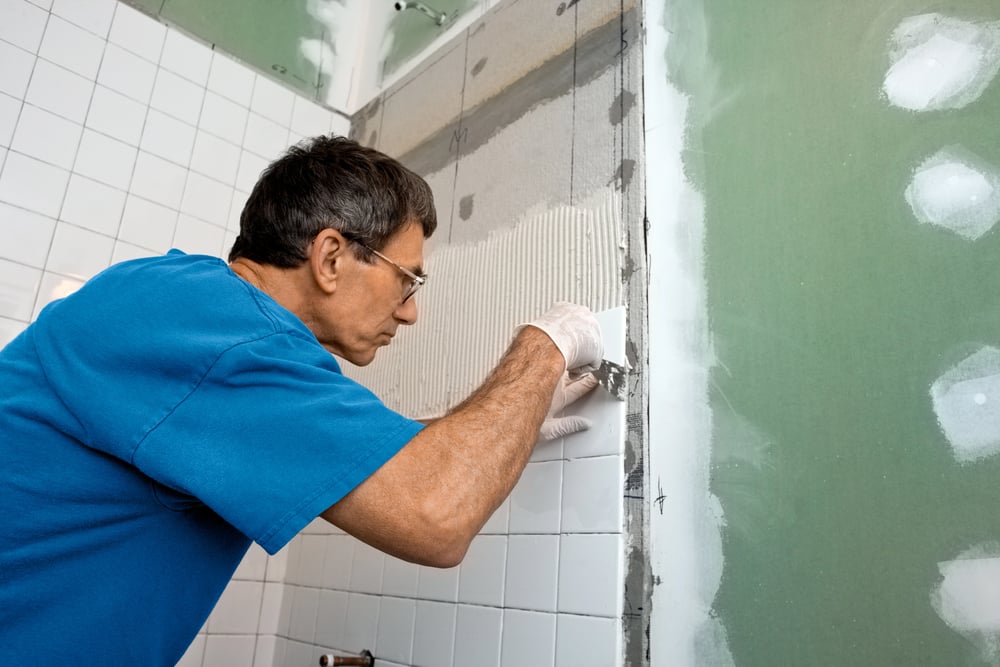
A bathroom renovation may require a plumber, waterproofer, tiler and builder, depending on the work involved. Electrical services may also be needed for lighting, exhaust fans or heated fixtures.
Entrances and Hallways
Steps at the front door, uneven paths and narrow hallways can restrict access for people using walking aids or wheelchairs. Improvements may include ramps, handrails, threshold adjustments and wider doorways.
Widening a doorway or changing an entry layout can involve structural work, particularly if a load-bearing wall is affected. A builder can assess the existing construction and determine what alterations are feasible.
Kitchens
Kitchens can become harder to use when storage is high, benches are difficult to reach or appliances require awkward movements. Renovations may include accessible storage, improved task lighting, easier-to-operate handles and repositioned appliances.
More extensive changes, such as lowering benchtops or altering plumbing and electrical connections, may require a cabinetmaker, kitchen renovator, plumber or electrician.
Stairs and Living Areas
Internal stairs and changes in floor level can create access difficulties. Depending on the property, improvements may include secure handrails, better lighting, slip-resistant flooring or a reconfigured layout.
For a multi-storey home, a stairlift may be worth considering. Installation requires a suitable staircase and assessment by a specialist. If the layout allows, creating a bedroom and bathroom on the ground floor may be another option.
Outdoor Areas
Driveways, garden paths and outdoor steps also affect how easily someone can enter and move around a property. A landscaper, concreter or paving contractor may be able to improve path surfaces, drainage, gradients and transitions between indoor and outdoor spaces.
What Should You Consider Before Renovating?
Before requesting quotes, consider the older person's current needs and how these may change over time.
Mobility and access: Consider whether they use a walking stick, frame or wheelchair, or may need one in the future. Door clearances, turning space, ramps and bathroom layouts should suit their requirements.
Current and future living arrangements: A home designed for an older parent moving in with family may need different changes from a property where the resident lives independently. Consider bedroom location, bathroom access and proximity to shared living areas.
Existing building conditions: Older properties may have uneven floors, deteriorating plumbing, inadequate ventilation or electrical systems that need attention. Identifying these issues early can help avoid unexpected work during the renovation.
Priorities and budget: Separate immediate access requirements from optional upgrades. If several rooms need attention, a staged renovation may help spread the cost, provided the property remains suitable for the person's needs during each stage.
An occupational therapist can assess how the person uses their home and recommend suitable modifications. Their recommendations can help guide discussions with builders and other trades.
Which Trades Do You Need to Hire?
The trades involved depend on the renovation's complexity.
- Builder or renovation contractor: Coordinates major alterations, manages construction work and assesses structural changes.
- Bathroom renovator: Manages bathroom upgrades, potentially coordinating plumbing, waterproofing, tiling and fixture installation.
- Plumber: Relocates pipes, installs accessible shower fittings and adjusts water and drainage connections.
- Electrician: Upgrades lighting, switches, power points and other electrical fixtures.
- Carpenter: Modifies doorways, installs certain support structures and alters internal layouts.
- Flooring installer or tiler: Installs suitable flooring and finishes, with attention to surface transitions and slip resistance.
- Landscaper or concreter: Improves outdoor access paths, steps, ramps and paved areas.
For larger projects, a renovation contractor may coordinate several trades under one scope of work. For smaller jobs, homeowners may engage specialists separately. Confirm who is responsible for scheduling, materials, inspections and coordinating any required approvals before work begins.
Do Senior-Friendly Renovations Need Building Approval?
Building requirements depend on the location, type and extent of the work. In Australia, requirements vary by state or territory and local council, and some work may need a building permit, development approval or other authorisation.
Structural alterations, significant changes to a property's layout and certain ramp or access works may require approval. Plumbing and electrical work must comply with applicable regulations and be completed by appropriately licensed professionals where required.
The National Construction Code sets building requirements, including accessibility provisions for relevant building types. However, not every accessibility feature specified for public or certain residential buildings automatically applies to an existing private home.
Before construction begins, check requirements with your local council or relevant building authority. Your builder or building surveyor can help clarify which approvals, inspections and compliance documents apply to the proposed work.
How Much Do Senior-Friendly Home Renovations Cost?
Costs vary according to the property's condition, the size of the project, materials, labour rates and the number of trades required. A minor fixture upgrade will generally cost less than a renovation involving structural changes, plumbing relocation or extensive waterproofing.
The main cost factors include:
- Scope of work: Renovating one bathroom is different from modifying several rooms and outdoor access points.
- Existing conditions: Damaged plumbing, outdated wiring, uneven floors and concealed building problems can add to the budget.
- Materials and fixtures: Accessible fittings, specialised hardware, custom cabinetry and selected flooring products can affect the total.
- Labour and coordination: Projects involving several trades may require more time for scheduling, inspections and installation.
- Approvals and professional advice: Permit fees, building assessments and occupational therapy consultations may add to upfront costs.
Request itemised quotes that explain the proposed work, materials, labour, exclusions and payment schedule. Comparing quotes against the same scope makes it easier to assess differences in price and understand what each contractor will deliver.
Allow a contingency in the budget for unforeseen issues, particularly when renovating an older property. Ask contractors how variations will be approved and charged before work proceeds.
How Long Does a Senior-Friendly Renovation Take?
The timeline depends on the scale of the project and whether approvals, specialist equipment or custom-made fixtures are required.
A small installation may take less time than a bathroom renovation, while structural alterations can involve several stages of construction and inspection. Delays may also arise if materials are unavailable or problems are discovered once existing fixtures are removed.
Ask each contractor for an estimated schedule, including the expected start date, work stages and any periods when the bathroom, kitchen or entrance will be inaccessible. If an older person will remain in the home during construction, discuss temporary access arrangements and how the work area will be separated from their living space.
Find Renovation Services for a Senior-Friendly Home
Planning a senior-friendly renovation starts with understanding the home's access requirements and identifying the trades needed to address them. A clear scope, suitable professional advice and itemised quotes can help homeowners make informed decisions before construction begins.
On ServiceSeeking.com.au, you can post your renovation job and receive quotes from relevant service providers. Compare their proposed work, experience, inclusions and timeframes to find professionals suited to your property's requirements.