Find a Tradesman
Learn what normal summer wear and tear on homes looks like, what’s not, and when to hire a professional to keep your property in good condition.
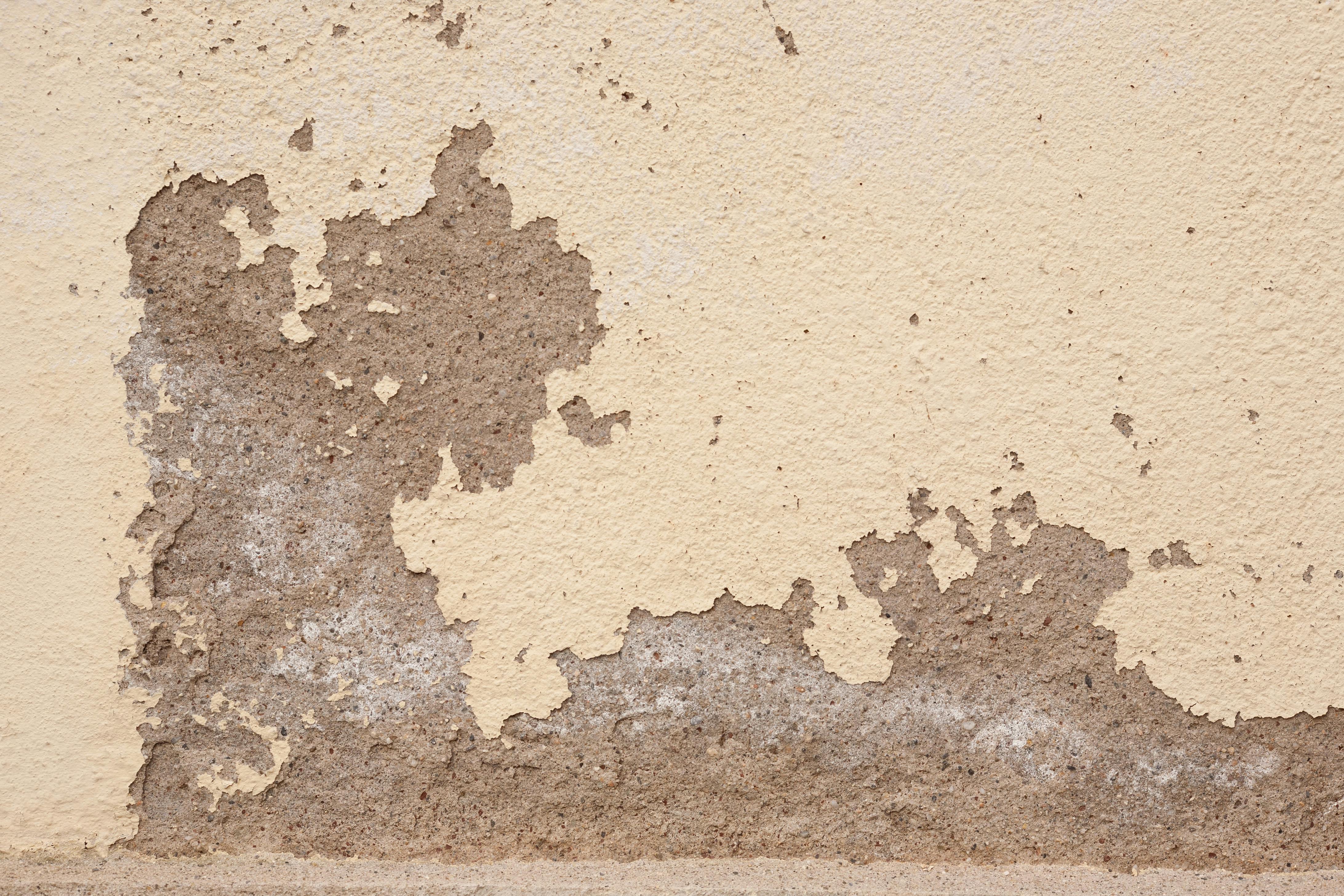
Summer is when homes get used properly. Doors open more often, air conditioners work harder, outdoor areas see daily foot traffic, and heat quietly puts pressure on materials. For homeowners, this raises an important question: what counts as normal summer wear and tear on homes, and what signals a bigger issue?
Understanding the difference matters. Some changes are expected after months of heat and activity. Others point to problems that are best handled early, before they grow into expensive repairs. Here’s a clear, practical guide to what’s considered normal during summer, and when it’s worth bringing in a professional.
What “Normal Wear and Tear” Actually Means
Normal wear and tear refers to gradual, expected deterioration that happens through everyday living and seasonal conditions. In summer, this is usually caused by:
- Prolonged heat and UV exposure
- Increased use of cooling systems
- Higher foot traffic indoors and outdoors
- Dry conditions followed by sudden storms
These changes happen even in well-maintained homes. They’re not caused by neglect, and they don’t always require immediate repairs. The key is knowing where the line is.
Exterior Summer Wear and Tear to Expect
Fading and Weathering
Painted surfaces, decking, fences, and outdoor furniture often fade slightly after months of sun exposure. Timber may look drier, and colours may lose some sharpness. This is typical summer wear and tear, especially in exposed areas.
Small Surface Cracks
Concrete paths, driveways, and patios can develop fine hairline cracks as materials expand and contract with heat. These are common during summer and usually cosmetic at first.
Roof Exposure Effects
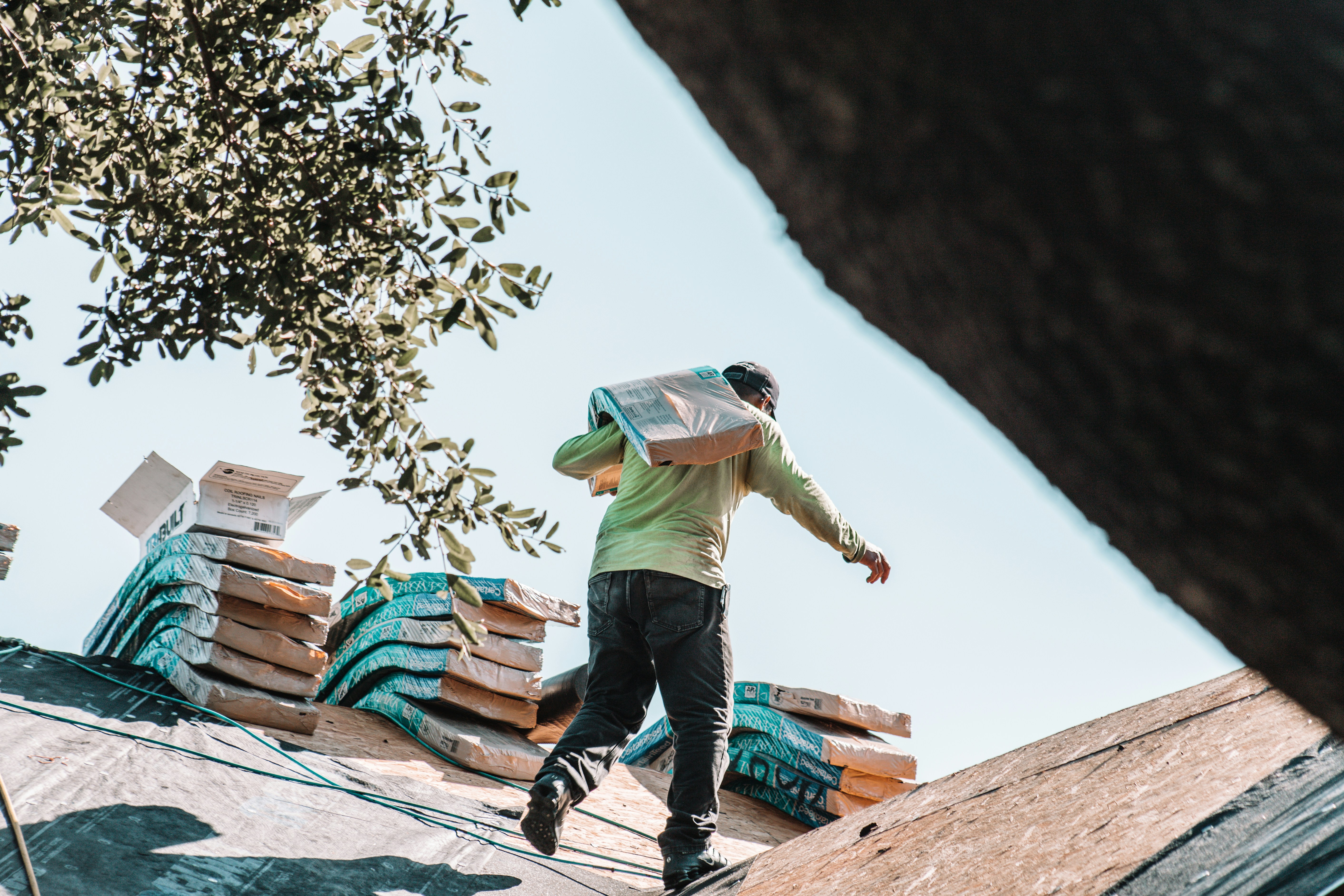
Heat places steady pressure on roofing materials. It’s normal for roofs to show subtle signs of ageing, such as surface wear or dust buildup, especially after long dry spells.
What’s not normal is loose roofing, moisture inside roof spaces, or visible damage after storms. Those signs usually need professional attention sooner rather than later.
Indoor Summer Wear and Tear
Flooring and Carpets
Hard floors may show light scuffing from increased foot traffic, while carpets can flatten slightly in high-use areas. These changes are expected during summer when people move more freely between indoors and outdoors.
Doors and Windows
Heat can cause materials to expand. It’s common for doors to feel slightly tighter or windows to stick more than usual during warmer months. Minor movement is normal, but persistent difficulty opening or closing can point to alignment issues worth checking.
Walls and Paint
Small marks, light scuffs, or subtle paint fading near windows are typical after summer. These are cosmetic changes rather than structural concerns.
Cooling Systems and Heat Stress
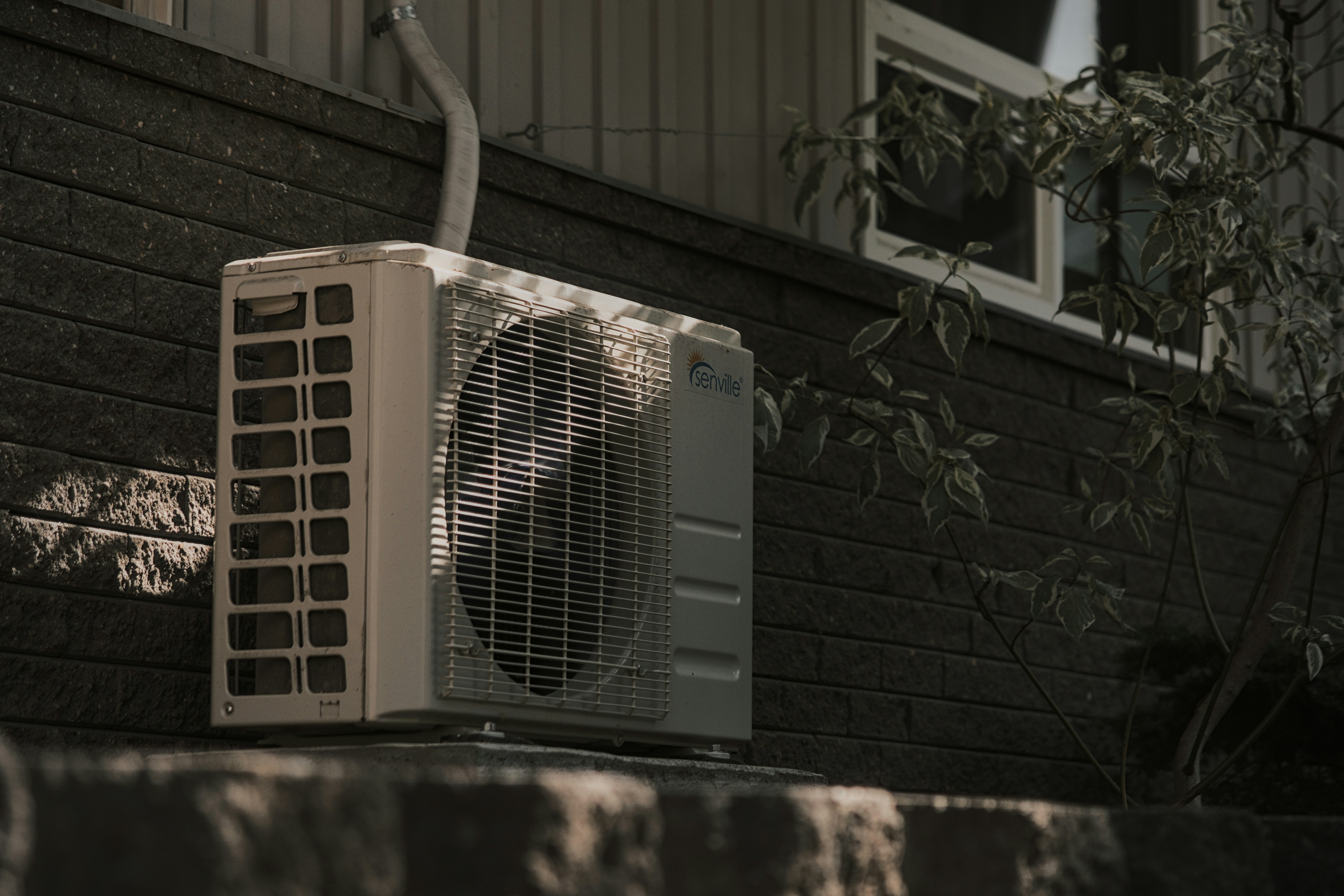
Summer puts cooling systems under constant demand. Air conditioners and ventilation systems work longer hours, which naturally leads to wear over time.
Normal summer wear includes:
- Filters collecting dust more quickly
- Systems running for longer periods
- Slight increases in energy use during heatwaves
Unusual noises, uneven cooling, or systems struggling to maintain temperature are not considered normal and are best assessed by a licensed professional.
Outdoor Structures and High-Use Areas
Decks, Porches, and Patios
Outdoor living areas see the most use in summer. It’s normal for timber to dry slightly or for fixings to show minor movement over the season.
What’s not normal is soft timber, unstable boards, or noticeable structural movement. These are signs that an inspection is worth arranging before usage increases further.
Driveways and Paths
Heat causes expansion, and sudden summer storms can test drainage. Minor surface changes are expected, but spreading cracks or pooling water often indicate underlying issues that professionals are best placed to address.
Gardens, Trees, and Surroundings
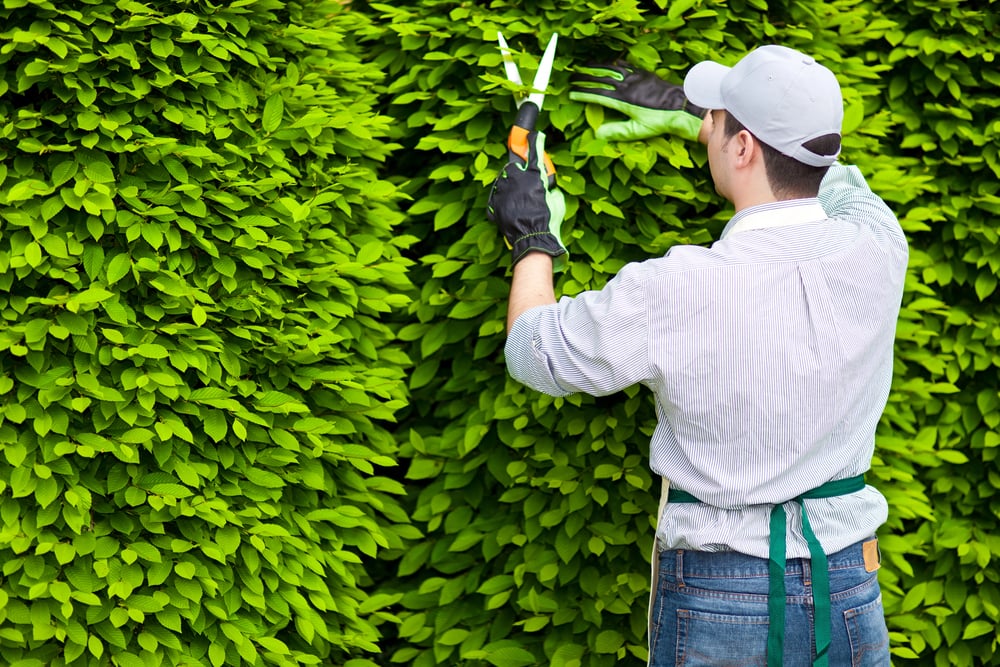
Summer growth can place pressure on structures. Branches may grow closer to roofs, walls, and fences, and root systems can affect nearby surfaces over time.
While some movement is seasonal, contact with buildings or damage after storms is a good reason to involve a qualified service provider who can assess safety and long-term impact.
When Summer Wear and Tear Becomes a Problem
Normal wear and tear is gradual and manageable. It becomes a concern when issues start affecting safety, comfort, or the structure of your home.
Signs it’s time to hire a professional include:
- Moisture where there shouldn’t be any
- Cracks that widen or spread
- Cooling systems that no longer cope with heat
- Outdoor structures that feel unstable
- Rising energy bills without a clear reason
Addressing these early often prevents more extensive repairs later.
Normal summer wear and tear on homes includes fading, light surface changes, increased system use, and minor material movement. These are expected after months of heat and activity.
What matters is knowing when those changes cross into something more serious. Staying informed helps homeowners make timely decisions, protect their property, and maintain comfort throughout the warmer months.
When summer wear starts affecting how your home functions, hiring the right tradie can make all the difference.