Check home safety for seniors before an older parent moves in, with room-by-room advice on stairs, bathrooms, lighting, flooring and entrances.

Moving an older parent into your home takes more preparation than making room for another bed. Home safety for seniors starts with checking whether the property can support their mobility, comfort and everyday routines. Stairs, slippery bathroom floors, poor lighting and narrow doorways can become obstacles, particularly for someone with reduced balance, limited mobility or vision changes.
Before moving day, inspect the house room by room and identify any changes that could make daily activities safer and easier. Some adjustments may involve minor repairs, while others could require a qualified tradesperson or an occupational therapist's assessment.
1. Check the entrance and pathways
Start at the front door, driveway and main entrance. Check for uneven paving, loose pavers, cracked concrete, slippery surfaces and raised thresholds that could cause someone to trip.
If the entrance has steps, consider whether a handrail, additional lighting or a ramp would improve access. Ramps need an appropriate gradient, stable surfaces and sufficient space for safe use. A steep or makeshift ramp can create additional hazards.
Inspect the doorway width, too. Someone using a walking frame or wheelchair may need more clearance to enter comfortably. A carpenter or builder can assess whether the entrance can be modified, while a licensed electrician can install outdoor lighting where needed.
Also check the route between the entrance, living areas and bedroom. Paths should be wide enough for the person's mobility needs, with gates and doors that are easy to operate.
2. Inspect stairs and internal steps
Stairs can become difficult to navigate when balance, strength or joint mobility changes. Check that every step is even, secure and free of loose carpet, damaged nosings or slippery finishes.
Handrails should be firmly fixed and easy to grip. Where practical, a continuous handrail along the staircase can provide support throughout the climb. Good lighting at the top and bottom of the stairs is also important, particularly at night.
Look for small changes in floor height between rooms, including steps into bathrooms, laundry areas or outdoor spaces. These can be easy to overlook but may present a trip hazard.
If your parent struggles with stairs, consider whether their bedroom, bathroom and frequently used living spaces can be arranged on one level. A builder may be able to assess stair modifications, while an occupational therapist can help determine which access changes suit the person's abilities.

3. Assess the bathroom and toilet
Bathrooms deserve particular attention because water, hard surfaces and confined spaces can increase the risk of slips and falls.
Inspect the shower floor, bath access and space around the toilet. A high-sided bathtub or shower hob may be difficult to step over. Consider whether a level-access shower, shower seat or handheld showerhead would better suit your parent's needs.
Grab rails can provide support when entering the shower, standing up or sitting down. However, they need to be positioned correctly and securely anchored to suitable structural support. A qualified installer can assess the wall construction and fit them appropriately.
Check whether the floor becomes slippery when wet and whether the shower screen or door restricts access. Ensure taps are easy to operate and that hot water temperatures are appropriately controlled to reduce scald risks.
The toilet should be easy to reach, with enough room to manoeuvre safely. A higher toilet seat or other accessibility modification may help someone who has difficulty sitting down or standing up.
4. Review lighting throughout the house
Poor lighting can make it harder to judge distances, identify obstacles and move safely around the house. Inspect hallways, staircases, bedrooms, bathrooms and the route to the toilet at night.
Check for dim corners, shadows, glare and lights that take several seconds to warm up. Switches should be easy to reach when entering a room, and lighting should adequately illuminate steps and changes in floor level.
Consider motion-sensor lights in hallways and near entrances, along with bedside lighting that can be switched on before getting out of bed. Night lights can also help illuminate the route to the bathroom.
A licensed electrician can assess existing fittings, add light points and install suitable switches or sensor lighting. The aim is consistent illumination without creating glare or leaving dark patches along commonly used routes.
5. Examine flooring, rugs and walkways
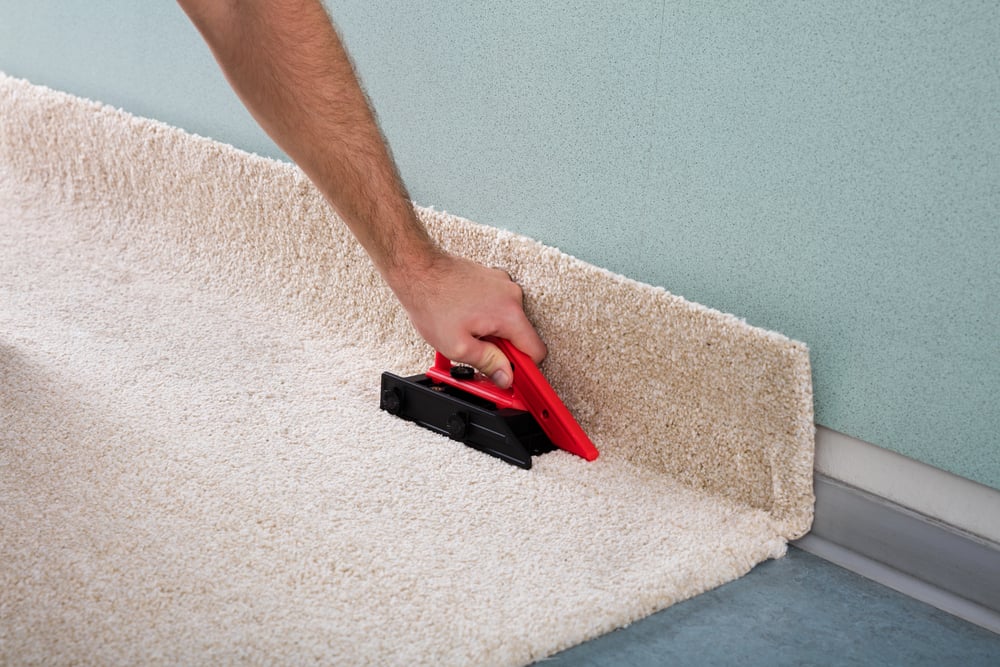
Loose rugs, curled carpet edges, uneven tiles and trailing electrical cords can create trip hazards. Walk through the main living areas and note anything that shifts underfoot or interrupts a clear path.
Pay particular attention to transitions between carpet, tiles, timber and other flooring materials. Uneven joins and raised edges may catch a walking stick or mobility aid.
If flooring needs replacing, consider slip resistance, surface stability and ease of movement. Very thick carpet can make walking or using a wheelchair more difficult, while polished surfaces may become slippery when wet.
A flooring specialist can recommend materials suited to the household's needs. A carpenter or builder may also be able to repair damaged boards, secure transitions and address uneven surfaces.
Keep enough clear space around furniture for your parent to move comfortably, especially if they use a walking frame. Check that frequently used items are within easy reach and that doorways remain unobstructed.
6. Check the bedroom and living areas
The bedroom should support safe movement when getting into bed, standing up and dressing. Check the bed height, space beside the mattress and access to light switches. A bed that is too low or too high can make transfers difficult.
Ensure there is a clear route between the bed and the bathroom, with a stable surface underfoot. If your parent needs a walking aid during the night, leave enough room to position and use it safely.
In living areas, inspect the stability of chairs and sofas. Low, soft seating can be difficult to get out of, so furniture with suitable seat height and firm support may be more practical.
Check that frequently used power points are accessible without stretching over furniture or bending awkwardly. A licensed electrician can assess whether additional outlets would reduce reliance on extension leads.
7. Inspect the kitchen and laundry
Kitchen and laundry tasks often involve reaching, carrying hot items and handling water. Check whether frequently used cupboards, appliances and controls can be accessed without excessive bending or stretching.
Look for slippery floors, loose mats and clutter around cooking areas. Ensure the path between the sink, refrigerator and cooking appliances is clear enough for safe movement.
Check that taps, cupboard handles and appliance controls are easy to use. If your parent has reduced grip strength or limited reach, a kitchen specialist or carpenter may be able to recommend suitable modifications.
In the laundry, inspect the floor for leaks, raised edges and slippery patches. Check that the washing machine and dryer are positioned at a practical height, where possible, and that access to the clothesline does not involve difficult steps or uneven paths.
8. Review outdoor areas and emergency access
Gardens, patios and side paths should be included in the inspection. Look for loose paving, uneven garden edging, slippery decking, overgrown plants and steps without adequate support.
If your parent enjoys spending time outdoors, consider whether the route to a patio, garden seat or clothesline is manageable. A landscaper or paving contractor can assess uneven paths, while a carpenter can repair damaged decking or install suitable handrails.
Check that doors and windows can be opened without excessive force and that emergency exits remain accessible. Smoke alarms should be installed and maintained in accordance with applicable requirements.

When should you arrange professional inspections?
Consider booking an occupational therapist before making substantial changes, particularly if your parent uses a mobility aid, has a history of falls or has specific accessibility requirements. Their assessment can help prioritise modifications according to your parent's needs.
You may then need a licensed electrician, plumber, carpenter, builder, flooring specialist or landscaper, depending on the work identified. Check licensing requirements in your state or territory and ask contractors to confirm the scope of work before they begin.
For larger accessibility projects, request an assessment of the proposed changes, including structural requirements, costs and any approvals that may be needed.
If you're preparing your home for an older parent, ServiceSeeking can help you find local tradespeople for repairs and accessibility improvements. Compare quotes for the work your property needs and discuss the proposed changes with the relevant professionals before your parent moves in.