Mould Removal
Learn what causes winter mould, warning signs to watch for, and when to hire mould removal services before damage spreads.
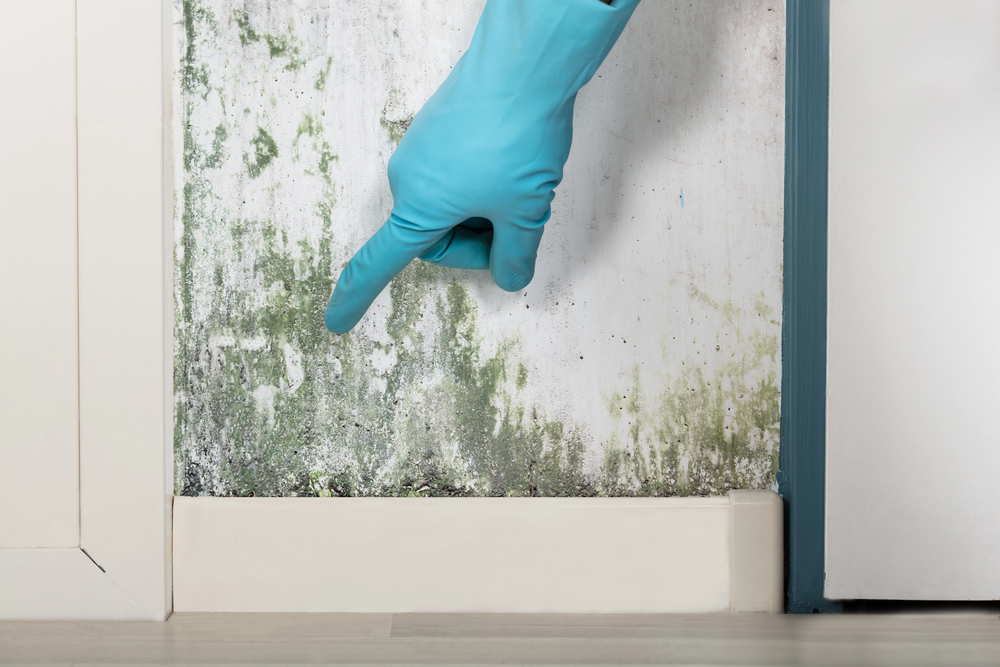
Winter can make homes feel damp, stuffy, and harder to dry out properly. Condensation builds up on windows, laundry takes longer to dry, and rooms with poor airflow can start holding moisture for days at a time. That combination creates the perfect environment for mould.
If you’re dealing with winter mould problems, early action matters. The longer moisture sits indoors, the harder mould becomes to remove completely.
Why Mould Gets Worse in Winter
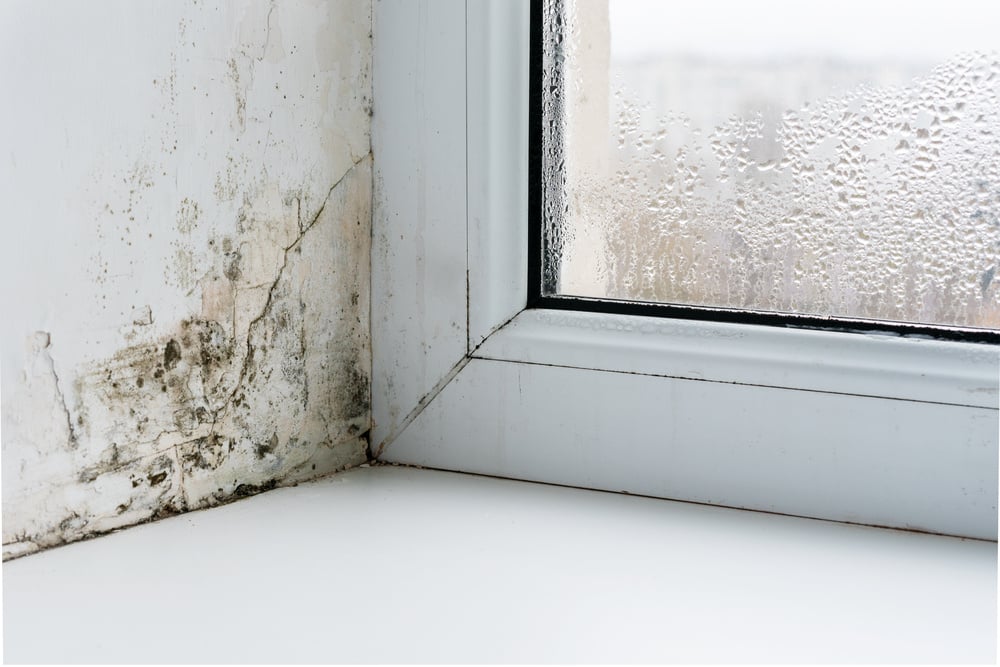
Winter conditions create more indoor moisture than many homeowners realise. Daily activities such as showering, cooking, drying clothes indoors, and using heaters all add moisture to the air. When that moisture has nowhere to escape, condensation forms on colder surfaces.
Homes are also kept closed up more often during winter, which limits airflow. In some properties, insulation issues, leaking roofs, blocked gutters, ageing paint, damaged grout, or hidden plumbing leaks can make the problem worse.
Common mould hotspots include:
- Bedrooms with poor ventilation
- Wardrobes and cupboards against external walls
- Bathrooms without strong exhaust fans
- Laundry areas
- Window frames and sills
- Ceilings near roof leaks
- Carpets affected by dampness
- Apartments with limited airflow
Older homes are not the only properties affected. Modern apartments and newer builds can also develop mould if ventilation and moisture control are poor.
Signs the Problem Is Bigger Than It Looks
Visible mould is only part of the issue. In many homes, the surface growth is simply a sign of trapped moisture elsewhere.
Some warning signs include:
- A persistent musty smell
- Condensation forming daily on windows
- Paint bubbling or peeling
- Damp-feeling bedding or clothing
- Mould returning repeatedly after cleaning
- Discolouration on ceilings or walls
- Warped skirting boards or timber
- Increased allergy or respiratory irritation indoors
If mould keeps returning in the same area, there is usually an underlying moisture problem that needs proper investigation.
Why Moisture Control Matters
Mould spores naturally exist in the air. The real issue is excess moisture.
That’s why many homeowners notice improvements after using dehumidifiers, improving ventilation, or fixing hidden leaks. Reducing indoor humidity makes it harder for mould to grow and spread.
Professional mould specialists often look beyond the visible growth and identify what is causing the moisture in the first place. Depending on the property, that may include:
- Roof leaks
- Plumbing leaks
- Poor insulation
- Faulty exhaust fans
- Rising damp
- Condensation issues
- Water damage from storms or flooding
- Inadequate ventilation in bathrooms or kitchens
Without fixing the moisture source, mould usually returns.
Rooms That Need Attention Before Winter Peaks
Bathrooms
Bathrooms are one of the most common areas for winter mould problems because warm steam builds up quickly in enclosed spaces. Exhaust fans that are weak, blocked, or not venting properly often struggle during colder months.
Pay attention to ceiling corners, grout lines, silicone seals, and areas behind vanities or toilets where moisture lingers.
Bedrooms and Wardrobes
Many homeowners are surprised to find mould growing on clothes, shoes, bags, or books during winter. Wardrobes against external walls are especially vulnerable because cooler wall temperatures attract condensation.
If rooms feel damp or bedding never fully dries out, humidity levels may already be too high.
Ceilings and Roof Spaces
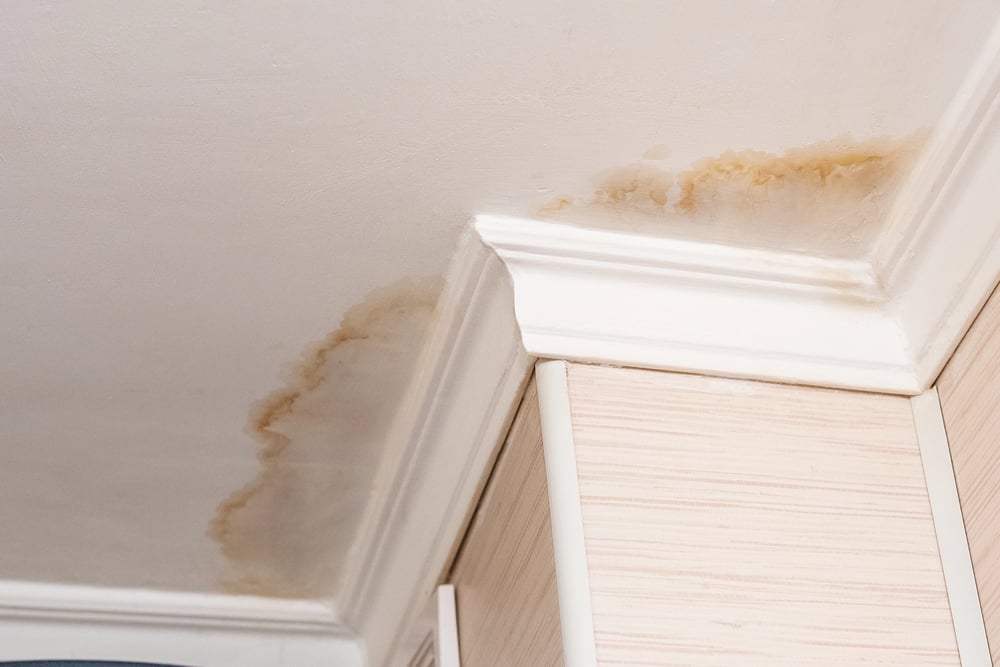
A small ceiling stain can sometimes point to a slow roof leak or trapped moisture in insulation. Winter rain can worsen existing roof problems, especially in older homes.
If mould appears repeatedly near ceiling corners or light fittings, it’s worth having the area assessed professionally.
Apartments and Units
Apartments often deal with limited airflow, internal bathrooms, and shared building ventilation issues. Persistent mould may involve building defects, waterproofing problems, or inadequate ventilation systems that require strata involvement.
When to Hire a Mould Removal Specialist
Some mould issues are larger than they first appear. Professional mould removal services may be worth considering if:
- Mould keeps returning
- The smell remains even after cleaning
- Multiple rooms are affected
- Water damage is involved
- The mould covers large areas
- Carpets or ceilings are affected
- There are concerns about hidden growth behind walls
- Household members are reacting to indoor air quality
Professional services can help identify the moisture source, assess how far the mould has spread, and recommend the safest removal approach for the property.
Homeowners searching for experienced mould cleaning or mould removal specialists can compare quotes and reviews through ServiceSeeking.com.au.
Questions to Ask Before Hiring a Mould Specialist
If you’re comparing mould removal services, it helps to ask:
- Can they identify the moisture source?
- Do they assess hidden mould growth?
- What type of treatment process do they use?
- Do they provide recommendations to reduce recurrence?
- Are they experienced with residential mould issues?
- Can they inspect water-damaged areas or ceilings?
A proper assessment often matters just as much as the cleaning itself.
Winter Habits That Often Contribute to Mould
Many winter mould problems are linked to everyday household habits combined with colder weather conditions. Common contributors include:
- Drying clothes indoors without ventilation
- Keeping windows permanently closed
- Running heaters in poorly ventilated rooms
- Leaving bathroom moisture trapped overnight
- Ignoring small leaks or ceiling stains
- Allowing condensation to build up daily
Even well-maintained homes can develop mould during long wet periods if moisture starts building faster than it can escape.
The Earlier You Act, the Easier It Is to Manage
Mould rarely stays contained to one small spot for long during winter. What begins as condensation around windows or a musty smell in one room can spread through wardrobes, ceilings, soft furnishings, and hidden surfaces over time.
Keeping an eye on moisture levels, ventilation, and recurring damp areas can help homeowners catch winter mould problems before they become larger and more expensive to fix.
If mould keeps returning or signs of hidden moisture are appearing around the home, professional mould cleaning or mould removal services may help identify the cause before winter conditions make it worse.