Moving house? Learn what to do with your furniture, including what to keep, sell, store, dismantle, protect and move.

Moving house involves more than packing boxes. Large pieces of furniture need to be assessed, measured, prepared, and transported, and some may not suit the new property. Knowing what to do with your furniture when moving house can help you organise the move and decide what to move, store, sell, or replace.
Before moving day arrives, take some time to look at your furniture in relation to your new home. Check the available space, doorways and access points, and consider whether your larger pieces will fit comfortably. If you are hiring professional furniture removals, having this information ready can also make it easier to discuss the job and get an accurate quote.
Decide What Furniture Is Coming With You
Moving is a useful opportunity to review what you actually want in your new home. Consider the size and layout of the new rooms, the condition of each piece and whether you are likely to use it.
Furniture in good condition that suits the new property may be worth taking with you. Pieces that are damaged, unsuitable for the space or unlikely to be used can be sold, donated or otherwise disposed of before the move.
It is also worth considering the cost of replacing furniture. If you already own a well-made dining table, bed or sofa that fits the new home, moving it may make more sense than buying another one after you arrive.

Measure Large Furniture and the New Home
A sofa that fits comfortably in your current lounge may not fit through the front door of your new property. Measure larger furniture before moving day, particularly sofas, beds, wardrobes, dining tables and bulky cabinets.
Check:
- The dimensions of the furniture
- Doorway and hallway widths
- Staircases and landings
- Lift dimensions if applicable
- The available floor space in each room
- Outdoor access if furniture needs to enter through a different route
Note any tight corners, narrow passages, or stairs that could affect how furniture needs to be carried into the property. Sharing these details with your removalist ahead of time can help them plan the move.
Decide What Needs to Be Dismantled
Some furniture is easier and safer to transport when partially dismantled. Bed frames, large tables, shelving units and some wardrobes may need to be taken apart before they can pass through doorways or be loaded efficiently.
Check whether the manufacturer provides disassembly instructions, and keep all screws, bolts, and fittings together in labelled bags. Keep these with the relevant furniture, so they are easier to identify when it is time to reassemble the pieces.
Some furniture removal services can handle disassembly and reassembly as part of the job, so ask about this when comparing removalists.
Protect Furniture Before It Is Transported
Furniture can be exposed to knocks, scratches and dirt during a move, particularly when larger pieces need to pass through doorways or be loaded into a moving vehicle.
Removalists can use suitable protective materials and equipment for different types of furniture. Fragile surfaces, polished timber, glass components and upholstered pieces may require particular care.
Secure drawers and loose components before moving furniture. However, avoid adding unnecessary weight to large pieces by leaving heavy items inside drawers or cabinets.
Work Out What Needs Storage
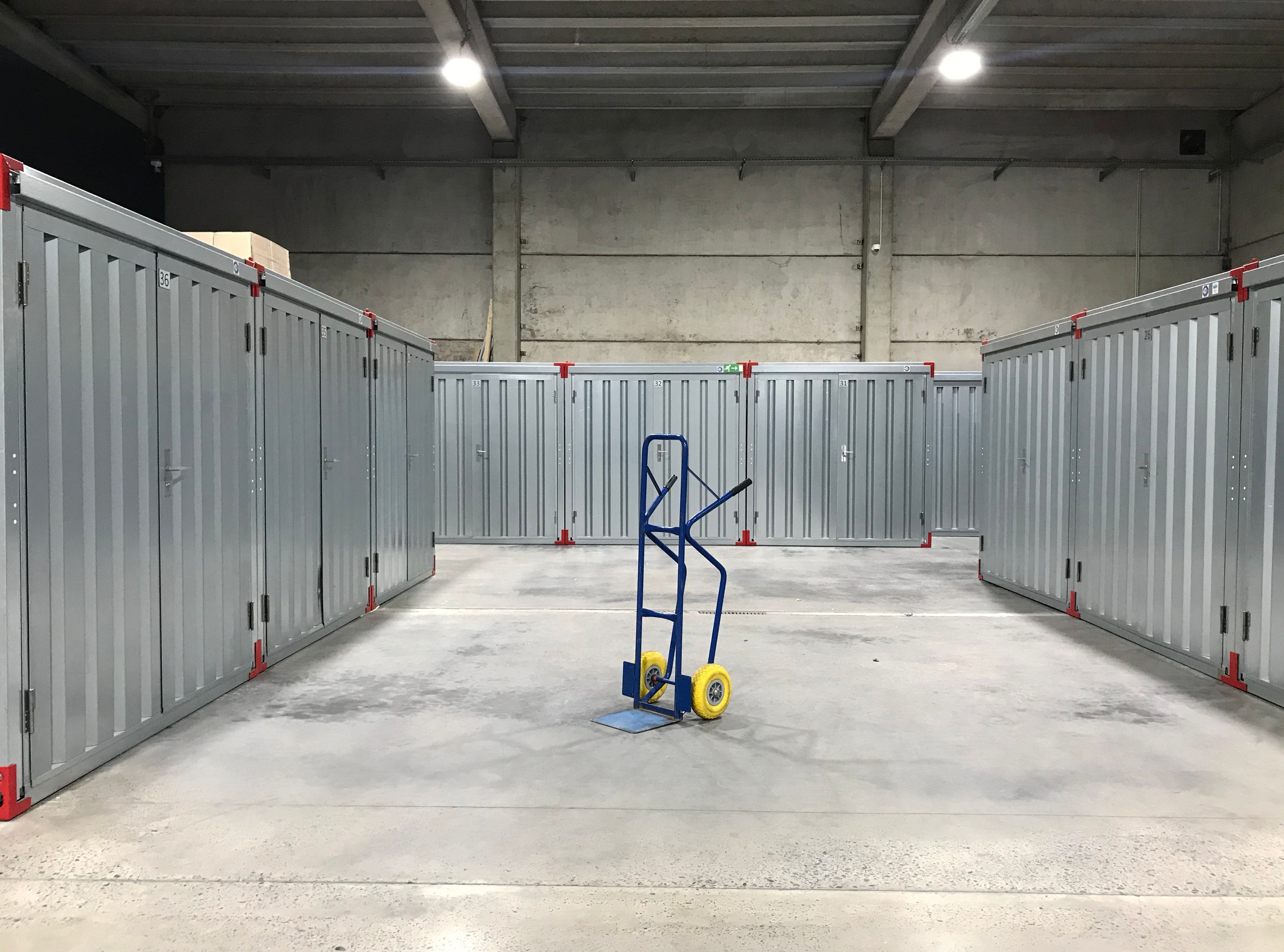
If your new home is smaller, you are renovating, or there is a gap between leaving your old property and moving into the new one, you may need to store some furniture temporarily.
Before paying for storage, work out which pieces you'll likely need later and how much space they will require. Consider the length of the storage period as well as transport costs to and from the storage facility.
For longer-term storage, store furniture in suitable conditions and protect it appropriately. Depending on the service you choose, professional removalists may also be able to transport furniture directly to a storage facility.
Selling or Replacing Furniture
Some furniture may not make sense to move. This can happen when a piece is difficult to transport, doesn't suit the new property, or would cost more to move than its likely replacement value.
Selling furniture before the move can also reduce the number of items you need to transport. If you are replacing furniture after moving, consider waiting until you have measured the new rooms and lived in the space for a little while. This can make it easier to choose pieces that suit the actual layout.
For essential items such as beds, dining furniture or appliances, plan ahead if you are not taking your existing pieces. Delivery dates may affect when you can access them in the new property.
Make a Furniture Inventory
Create a simple inventory of the furniture you will move. Include the room it belongs to and any relevant details, such as whether it needs dismantling, has glass components or requires particular handling.
An inventory can help you estimate the size of the move and communicate your requirements when requesting removal quotes. It can also make it easier to check that everything has arrived at the new property.
For particularly valuable or delicate furniture, keep records of its condition before the move and discuss any special handling requirements with your removalist.
Book Furniture Removalists Early
Once you know what furniture is coming with you, start arranging your removal service. Provide the removalist with as much information as possible, including the number and size of large items, access at both properties, stairs or lifts, and whether furniture needs to be dismantled or reassembled.
Getting quotes from several furniture removalists helps you compare the services included and the price. Check whether packing, furniture protection, disassembly, reassembly, storage or additional access requirements are included or charged separately.
On moving day, professional furniture removalists can handle the heavy lifting, loading, and transportation while working around the property's practical requirements. You can find furniture removalists on ServiceSeeking and compare quotes based on your moving requirements.
Planning what to do with your furniture before moving house gives you a clearer idea of what needs to be transported and helps your removalist prepare. With measurements, an inventory and access details ready beforehand, you can arrange the right service for the furniture you actually need to move.