Gardening
Find out which vegetables to grow in spring across Australia, plus tips on sunny spots, easy crops and when a professional gardener can help.
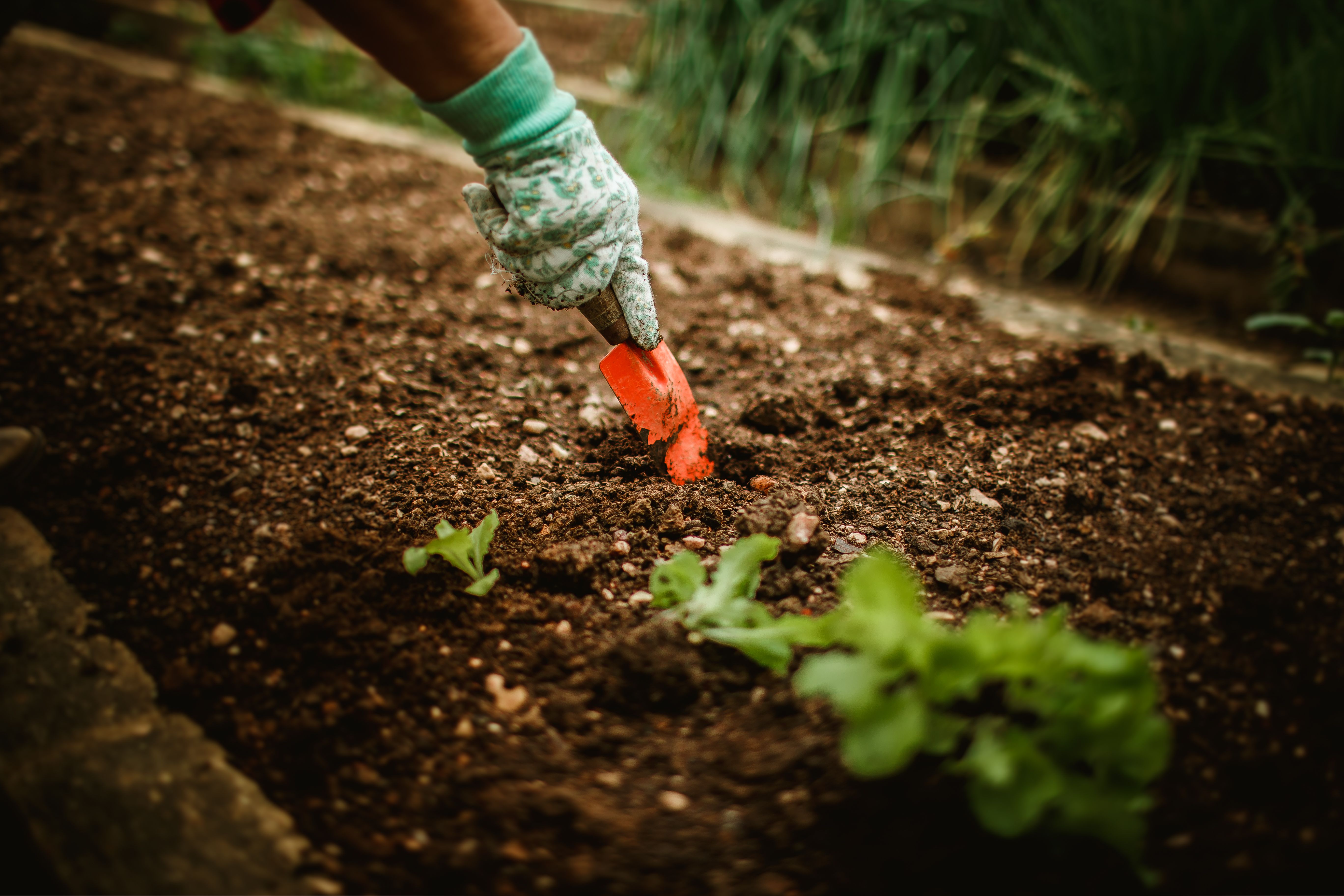
As the weather warms up, plenty of households start thinking about what vegetables to grow in spring. It's the season when gardens shift from hearty winter greens to the tomatoes, corn and cucumbers that fill spring and summer salads. Getting a good result depends on a few basics: picking the right spot, choosing vegetables suited to your patch, and knowing which ones need a bit more attention than others.
Finding the right spot
A sunny, sheltered position gives spring vegetables the best start. Most of the plants below need several hours of direct sun a day, along with some protection from strong wind. If your garden doesn't have an obvious spot, pots and raised beds are a good workaround, since they can be shifted around to chase the sun or moved out of the heat on scorching afternoons.
Vegetables that grow with little fuss
Some spring vegetables are far more forgiving than others, which makes them a solid choice if you're still working out your garden's quirks.
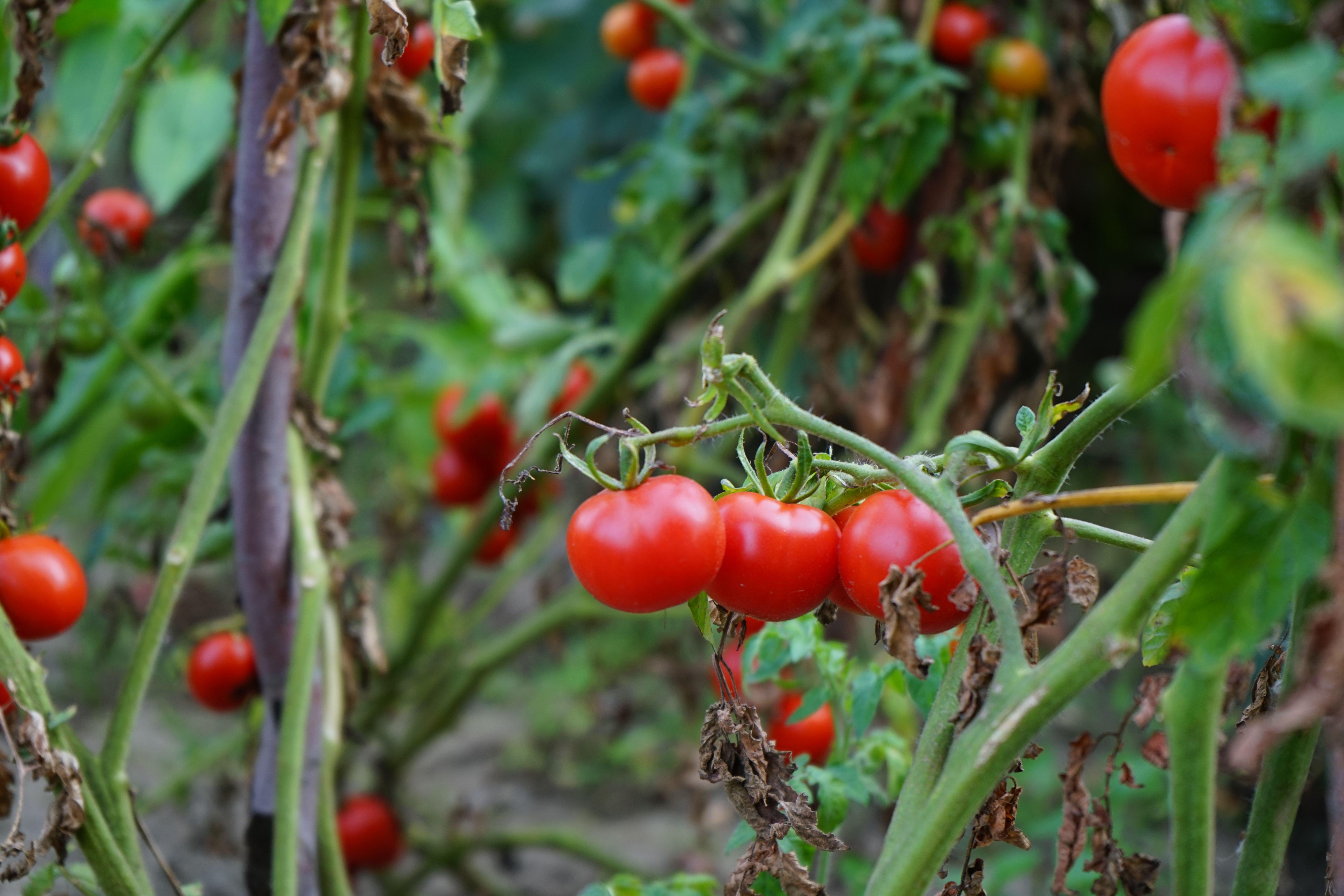
- Tomatoes – Roma, cherry and gourmet varieties all do well from seed. For something different, try heirloom types like black krim, or indigo tomatoes, which turn deep purple in the sun.
- Sweet corn
- Pumpkin – low maintenance once established, and responds well to compost-rich soil.
- Capsicum
- Cucumber
- Zucchini and button squash – tend to produce heavily with minimal intervention.
- Beetroot
- Broad beans
- Radishes – ready to harvest in six to eight weeks, making them one of the fastest crops in the garden.
Vegetables that need closer attention
A handful of spring vegetables ask for a little more care.
- Carrots – fiddly to establish and slow to reward the effort, though the difference between home-grown and shop-bought carrots is noticeable once they're ready.
- Sugar snap peas – delicate, and too much sun exposure early on can set a plant back permanently.
- Broccoli and cauliflower – prone to bolting, meaning they flower early rather than forming the head you're after. This usually comes down to heat and isn't a sign anything has gone wrong with the planting.
- Strawberries – tricky to germinate from seed, and many gardeners have far better luck starting them from seedlings instead.
Companion planting for healthier beds
Spring is a good time to think about what's planted alongside your vegetables, not just the vegetables themselves. The traditional three sisters combination of corn, beans and pumpkin works well together, with the beans fixing nitrogen in the soil and the pumpkin vines shading out weeds. Herbs, chillies and flowers such as dill and nasturtiums can help keep pests away from nearby vegetable beds, and most herbs are straightforward to grow from seed.
What to harvest in spring
Spring isn't only about planting. It's also the last chance to pull the remaining winter crops before the warmer weather sets in, so it's worth working through the vegetable patch before clearing space for new plantings.
- Cabbage
- Spinach
- Silverbeet
- Kale
- Cauliflower
- Broccoli
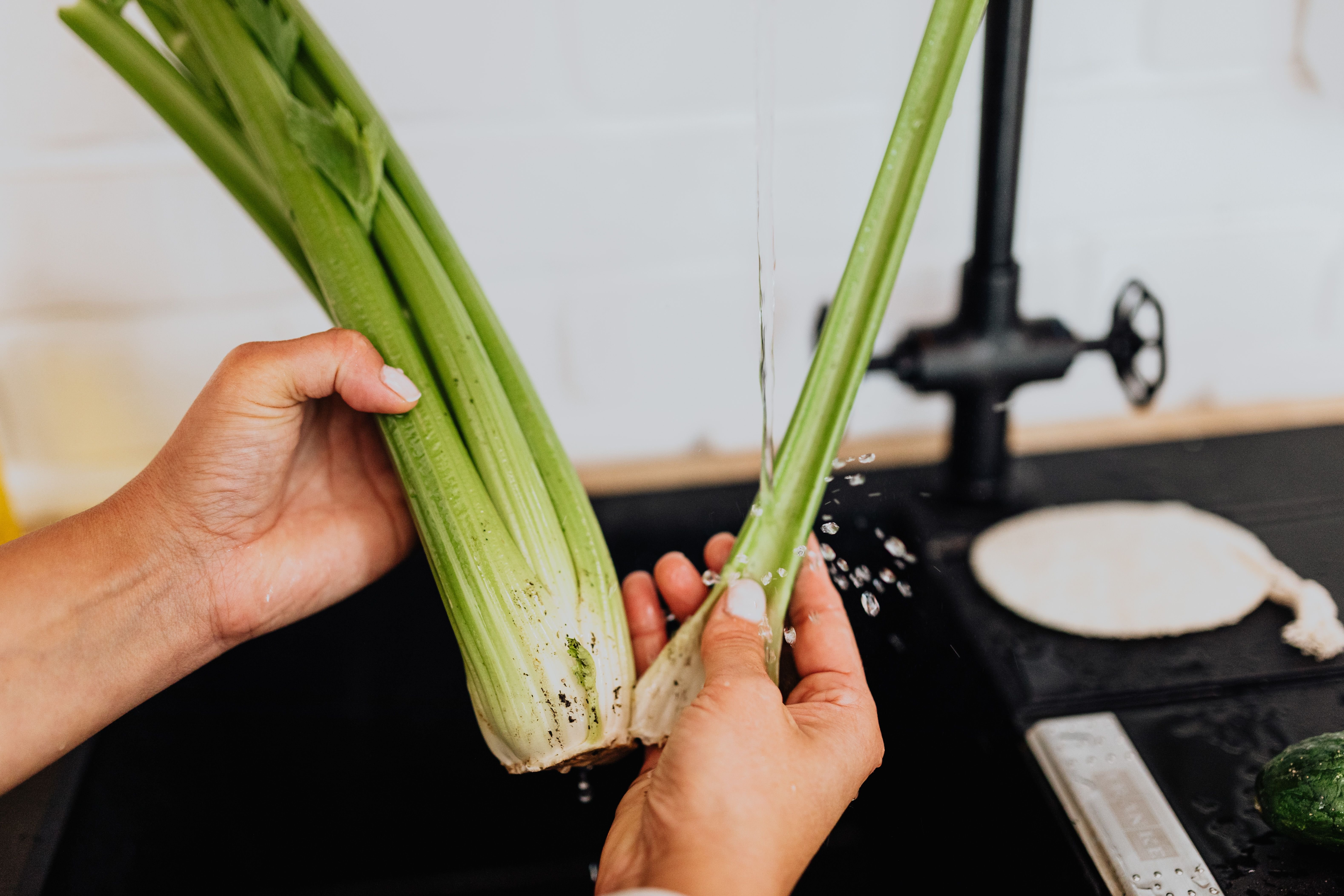
- Celery
- Spring onions
Fruit worth adding to the garden
Spring is also a practical time to plant fruit trees and berries, particularly in pots if space is limited.
- Dwarf apple
- Blueberries – worth treating as a longer-term addition, since most berries take a season or two to produce a proper crop.
- Strawberries
- Passionfruit
- Mulberries
- Tahitian lime
- Dwarf lemon
Weather makes a difference
Conditions vary year to year, and patterns like La Niña and El Niño can shift how spring plays out. A wetter, cooler spring tends to suit leafy brassicas and reduces the chance of broccoli or cauliflower bolting, while a hot, dry spring puts more pressure on watering and can affect germination rates for finicky seeds like lettuce and strawberries. Keeping an eye on local conditions helps with deciding when to plant and how often to water.
Spring is a busy stretch for anyone managing a garden, particularly if beds need clearing, soil needs building up, or irrigation needs sorting before planting begins. A qualified gardener can prepare beds properly, set up watering systems suited to your vegetables, and keep pests and weeds under control through the growing season. If your spring vegetable patch is more than you'd like to take on alone, ServiceSeeking connects you with local gardeners who can get the planting done properly and keep everything maintained once it's in the ground.