Most winter-related fence damage can be prevented with maintenance and timely repairs. Here are common ways winter affects your fence.
Winter can be tough on Australian homes. While most homeowners focus on keeping their roofs, gutters, and heating systems in good shape, fences often get overlooked. Unfortunately, fences are exposed to the elements every single day, making them particularly vulnerable during the colder months.
Whether you have a timber paling fence, Colorbond fencing, or decorative garden fencing, winter weather can gradually weaken its structure and appearance. The good news is that most winter-related fence damage can be prevented with a little maintenance and timely repairs.
Here are the most common ways winter affects your fence—and what you can do about it.
1. Moisture Causes Timber to Rot
One of the biggest threats to timber fencing during winter is excess moisture. Rain, morning dew, and prolonged damp conditions allow water to soak into untreated or ageing timber.
Over time, this moisture can lead to:
- Wood rot
- Soft or spongy fence posts
- Warping and swelling
- Structural weakness
The lower sections of the fence are particularly vulnerable because they remain in contact with damp soil for extended periods.
How to Prevent It
Inspect your fence regularly for signs of rot, especially around posts and ground-level boards. Applying a quality timber sealant or weatherproof stain before winter can help repel moisture.
If you notice sections that are already rotting, replacing them sooner rather than later can prevent the damage from spreading throughout the fence.
2. Strong Winter Winds Loosen Fence Panels
Winter storms often bring powerful winds that place significant pressure on fencing. Even fences that appear sturdy can develop loose panels, leaning posts, or weakened fixings after repeated exposure.
Small problems can quickly become larger ones when strong gusts exploit existing weaknesses.
How to Prevent It
Walk along your fence line and check for:
- Loose screws or nails
- Leaning posts
- Rattling panels
- Cracks in structural supports
Addressing these issues before a major storm arrives can save you from expensive repairs later. A fencing professional can also reinforce vulnerable sections to improve their resistance to severe weather.
3. Wet Soil Makes Fence Posts Unstable
Heavy winter rainfall can saturate the ground surrounding fence posts. As the soil becomes soft and waterlogged, posts may shift, tilt, or sink.
This issue is especially common in older timber fences where posts may already have some degree of deterioration.
How to Prevent It
Keep an eye out for:
- Leaning fence sections
- Gaps appearing beneath panels
- Posts moving when pushed
Professional fence repairs often involve resetting or replacing unstable posts before the entire fence becomes compromised.
4. Metal Components Begin to Rust
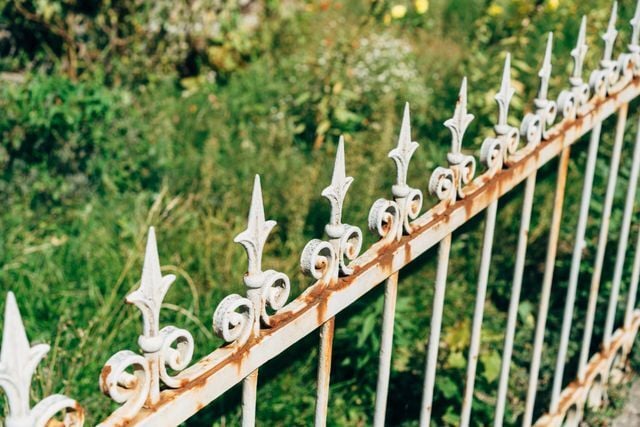
Even if your fence itself isn't made of metal, many fencing systems rely on metal screws, brackets, hinges, and fasteners.
Winter moisture accelerates corrosion, particularly in coastal regions where salty air is already a factor.
Rust can weaken critical components and reduce the overall lifespan of the fence.
How to Prevent It
Inspect metal fittings regularly and remove any visible rust before it spreads. Replacing corroded hardware with galvanised or rust-resistant alternatives can significantly improve durability.
For Colorbond fencing, addressing scratches and exposed metal promptly helps prevent rust from developing.
5. Mould and Mildew Affect Appearance
Winter's damp conditions create the perfect environment for mould, mildew, and algae growth.
While these issues may not immediately threaten the structure of your fence, they can make it look neglected and reduce your property's street appeal.
Common signs include:
- Green staining
- Black spots
- Slippery surfaces
- Discolouration
How to Prevent It
Regular cleaning helps remove mould before it becomes established. Gentle pressure washing or specialised cleaning solutions can restore the appearance of many fence materials.
Maintaining good airflow around the fence by trimming nearby vegetation can also reduce moisture retention.
6. Paint and Protective Coatings Deteriorate Faster
Protective coatings act as your fence's first line of defence against winter weather. However, constant exposure to rain, temperature fluctuations, and UV rays can cause paint and sealants to crack, peel, or wear away.
Once these protective layers fail, the underlying material becomes far more susceptible to damage.
How to Prevent It
Inspect painted or stained fences at the beginning and end of winter.
Look for:
- Peeling paint
- Fading
- Cracking
- Exposed timber
Refreshing protective coatings when needed helps extend the life of the fence and keeps it looking its best.
7. Overgrown Plants Create Hidden Problems
Many homeowners enjoy the look of climbing plants and garden beds along their fence line. Unfortunately, winter growth can trap moisture against fencing materials and create ideal conditions for decay.
Dense vegetation can also hide developing issues that might otherwise be easy to spot.
How to Prevent It
Keep plants trimmed back from the fence and remove any debris that accumulates at the base.
This simple step improves airflow, reduces moisture build-up, and makes inspections much easier.
8. Small Damage Becomes Major Damage
One of the most costly winter fence mistakes is ignoring minor issues.
A loose board may not seem urgent. Neither does a slightly leaning post. But winter weather often turns small defects into major structural failures.
What starts as a simple repair can eventually require a full fence replacement.
How to Prevent It
Schedule regular inspections throughout winter, particularly after heavy storms or periods of sustained rain.
The earlier problems are identified, the easier and cheaper they are to fix.
9. Winter Can Shorten Your Fence's Lifespan
All fences naturally age over time, but winter conditions can accelerate deterioration when maintenance is neglected.
Repeated exposure to moisture, wind, and fluctuating temperatures places ongoing stress on fencing materials. Without proper care, homeowners may find themselves replacing fences years earlier than expected.
How to Prevent It
Think of fence maintenance as an investment rather than an expense. Routine inspections, preventative repairs, and protective treatments can add years to the lifespan of your fencing.
Professional maintenance often costs far less than a complete replacement.
When It's Time to Call a Professional
Some fence maintenance tasks are simple enough for homeowners to handle themselves. However, structural repairs, post replacement, storm damage, and extensive rot are often best left to experienced fencing professionals.
A qualified tradie can identify hidden issues, recommend the most cost-effective solution, and ensure repairs are completed safely and correctly.
If you're unsure whether your fence is ready to withstand the rest of winter, getting a professional assessment can provide valuable peace of mind.
Find Trusted Fence Repair Experts
Winter can be harsh on fences, but proactive maintenance can prevent most major problems before they start.
Whether you need repairs, reinforcement, post replacement, or a complete fence upgrade, finding the right professional makes all the difference.
Through ServiceSeeking.com.au, homeowners can easily connect with trusted local fencing tradies, compare quotes, and find experienced professionals for jobs of all sizes. Instead of waiting until storm damage becomes a costly emergency, consider arranging an inspection now and keep your fence strong, safe, and looking great throughout winter and beyond.