End of Lease Cleaning
There’s a point at which DIY stops being cost-effective and becomes risky. Here’s why knowing when to call in a professional matters.
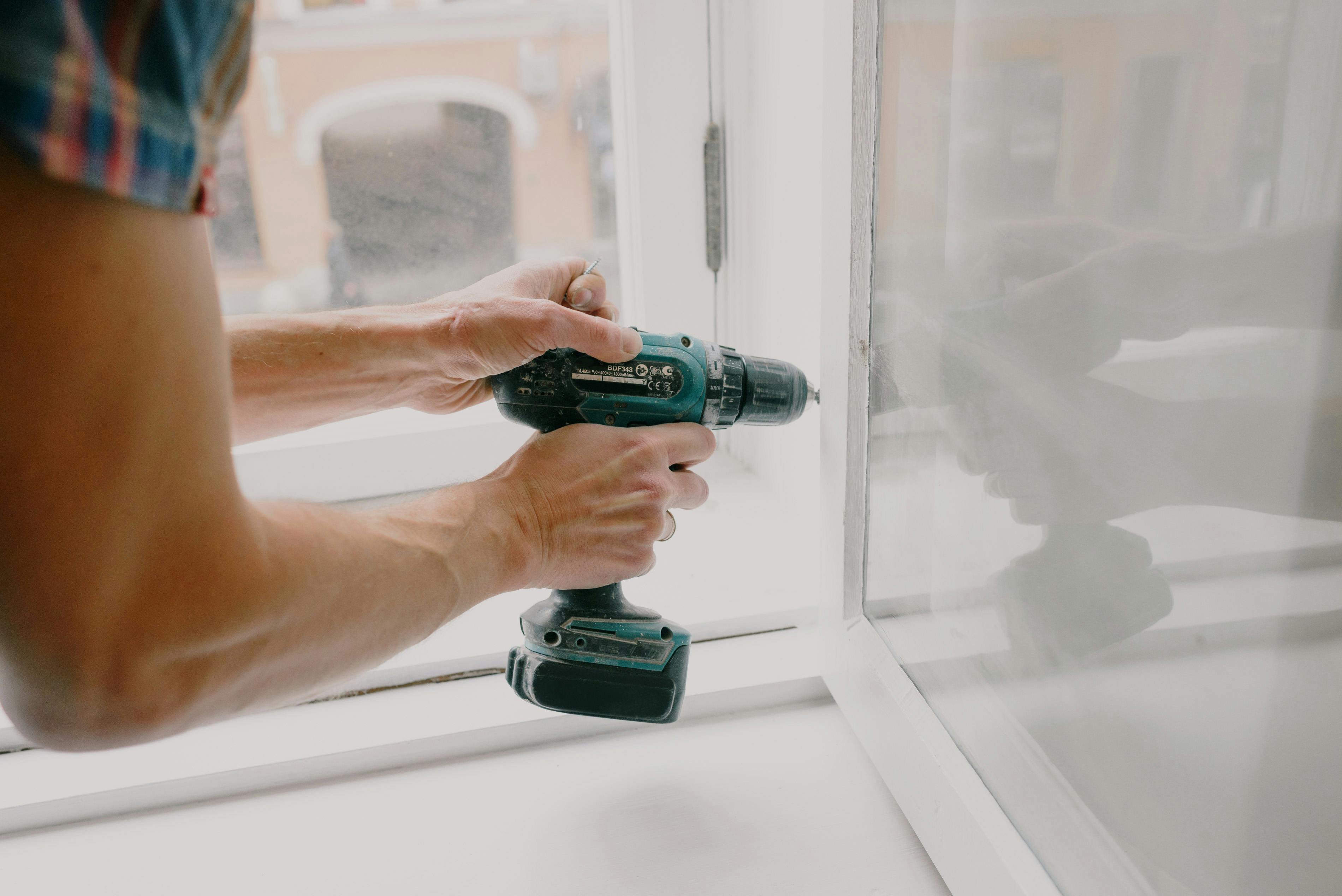
There’s something satisfying about tackling jobs around the house yourself. A quick trip to Bunnings, a few YouTube tutorials, and suddenly repainting the lounge room or fixing a loose cabinet feels completely doable.
And sometimes, it is.
But there’s a point where DIY stops being cost-effective and starts becoming risky. In Australia, plenty of homeowners end up spending more fixing DIY disasters than they would’ve paid hiring a qualified tradie in the first place. Worse, some jobs can put your safety, property, and even insurance coverage at risk.
Here’s where home DIY can quickly become dangerous — and why knowing when to call in a professional matters.
1. Electrical Work Isn’t “Worth a Crack”
Changing a light bulb? Fine.
Rewiring a switchboard because a bloke online made it look easy? Not so much.
Electrical work is one of the biggest DIY danger zones in Australian homes. Faulty wiring can lead to electric shock, fires, appliance damage, or serious injury. Even seemingly simple jobs like installing power points or ceiling fans can become hazardous if done incorrectly.
In most Australian states, unlicensed electrical work is also illegal.
The scary part is that electrical mistakes often don’t show up straight away. A dodgy connection hidden behind a wall might sit there quietly for months before causing overheating or sparking.
Hiring a licensed electrician through a trusted marketplace like ServiceSeeking.com.au gives homeowners peace of mind that the work is compliant, safe, and properly completed the first time.
2. Roof Repairs Can Go Bad Fast
A small roof leak never feels urgent… until water starts dripping through the ceiling during a storm.
Many homeowners attempt roof repairs themselves to save money, but climbing onto a roof is one of the easiest ways to end up injured. Slippery tiles, unstable ladders, steep pitches, and hidden weak spots create a serious fall risk.
Australian weather doesn’t help either. One gust of wind or a patch of wet roofing can turn a “quick fix” into a trip to the emergency room.
There’s also the risk of making the problem worse. Incorrect repairs can trap moisture, damage insulation, or create structural issues that become far more expensive later.
Professional roofers know how to safely inspect, repair, and waterproof roofing systems properly — especially before winter storms roll through.
3. Plumbing Problems Escalate Quickly
A dripping tap is one thing. Messing around with major plumbing is another story.
DIY plumbing mistakes can lead to flooding, mould growth, burst pipes, or contaminated water systems. Even small leaks hidden behind walls can quietly cause thousands of dollars in structural damage over time.
Many homeowners underestimate how interconnected plumbing systems are. One incorrect connection or poorly sealed fitting can affect water pressure, drainage, or nearby fixtures throughout the house.
And then there’s the classic DIY trap: temporary fixes.
That “quick patch job” often becomes permanent until something finally fails at the worst possible time.
Qualified plumbers don’t just fix the visible issue — they identify the underlying cause. That can save homeowners from repeat problems and expensive emergency call-outs later.
4. Structural Changes Aren’t Weekend Projects
Knocking down a wall looks surprisingly easy on renovation shows.
What those shows don’t always highlight is the engineering, permits, and structural assessments happening behind the scenes.
Removing or modifying structural walls without professional advice can seriously compromise the safety of a home. Load-bearing walls support weight from the roof or upper levels, and removing them incorrectly can cause sagging ceilings, cracks, or major structural instability.
Even building decks, pergolas, or retaining walls comes with regulations and safety requirements in Australia.
It’s not just about appearance — it’s about making sure the structure remains safe for everyone living there.
Experienced builders and carpenters understand council requirements, load calculations, and proper construction methods that most DIY tutorials simply gloss over.
5. Asbestos Is Still a Real Risk in Older Homes
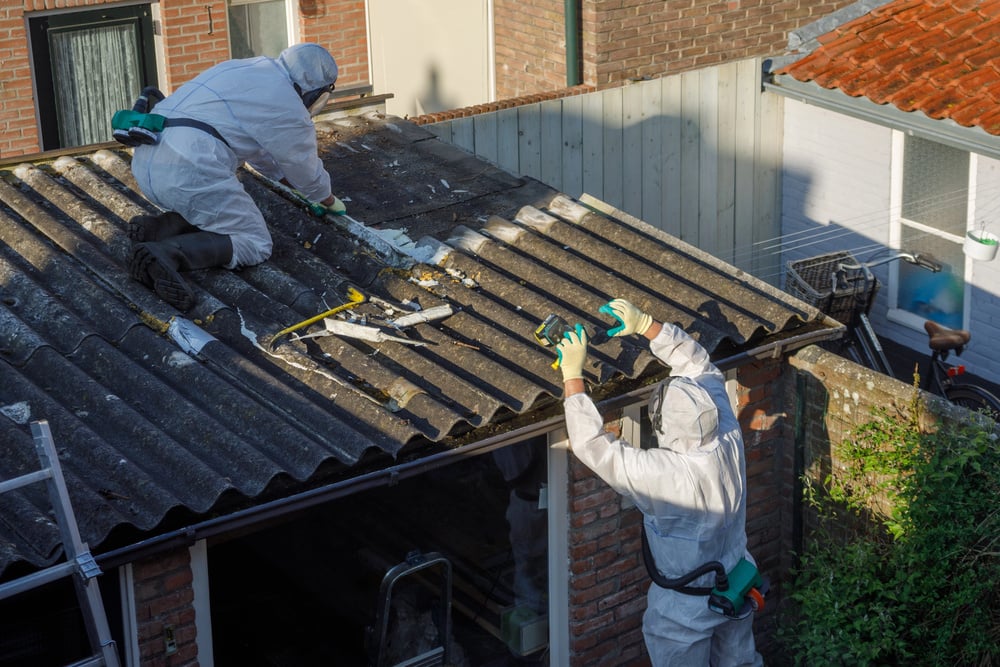
A lot of Australians don’t realise how common asbestos still is in older properties.
Homes built before the late 1980s may contain asbestos in walls, ceilings, eaves, flooring, fencing, roofing, and insulation. Disturbing these materials during renovations can release dangerous fibres into the air.
The problem is that asbestos exposure isn’t immediately obvious. You won’t necessarily know you’ve inhaled fibres, but long-term exposure can lead to serious illnesses years later.
DIY demolition work becomes particularly risky when homeowners start sanding, drilling, cutting, or removing old materials without proper testing.
Licensed asbestos professionals know how to identify, remove, and dispose of hazardous materials safely and legally. That’s one job that should never rely on guesswork.
6. Tree Removal Is More Dangerous Than It Looks
Cutting down a tree seems straightforward until gravity gets involved.
Large branches can fall unpredictably, chainsaws can kick back, and nearby power lines create massive hazards. Every year, Australians are seriously injured attempting DIY tree lopping or stump removal.
The danger increases significantly during storm season when weakened trees become unstable.
Professional tree removalists use specialised safety equipment, climbing systems, and controlled cutting methods to minimise risks. They also know how to assess tree health and identify hidden dangers like internal rot or unstable root systems.
Sometimes the safest option isn’t removing the tree entirely — it’s proper pruning and maintenance.
7. Gas Work Should Never Be DIY
This one’s simple: don’t do it.
Gas leaks can cause fires, explosions, carbon monoxide poisoning, or serious health risks. Even minor installation mistakes can become life-threatening.
In Australia, gas fitting work legally requires a licensed professional. That includes installing gas cooktops, heaters, hot water systems, and gas lines.
If you smell gas or suspect a leak, it’s always safer to call a qualified gas fitter immediately rather than trying to troubleshoot the issue yourself.
8. Waterproofing Mistakes Can Destroy Bathrooms
Bathroom renovations are one of the most common DIY projects — and one of the most expensive to get wrong.
Poor waterproofing allows moisture to seep beneath tiles and into walls or flooring. The damage often stays hidden until mould appears, tiles loosen, or timber starts rotting underneath.
By the time homeowners notice the issue, repairs can involve ripping out entire bathrooms.
Professional waterproofers and bathroom renovators understand Australian standards, drainage requirements, and sealing systems that protect wet areas long term.
It’s one of those jobs where “close enough” usually isn’t good enough.
9. The Hidden Cost of DIY Mistakes
A lot of DIY projects begin with good intentions: save money, learn new skills, and improve the home. But when things go wrong, the repair bill often ends up much higher than the original job would’ve cost.
There’s also the time factor. Many DIY projects drag on for weeks or months, especially when homeowners are juggling work, family, and unexpected complications.
Hiring experienced tradies through ServiceSeeking.com.au helps homeowners connect with professionals who can get jobs done properly, safely, and efficiently.
That means less stress, fewer costly mistakes, and more confidence that the work meets Australian standards.
10. Knowing Your Limits Is Actually Smart
DIY isn’t bad. In fact, there are plenty of home tasks Australians can safely handle themselves — painting, gardening, basic maintenance, flat-pack furniture, and small cosmetic upgrades can all be rewarding projects. The key is recognising where the risks start to outweigh the savings.
Licensed tradies exist for a reason. They bring training, experience, insurance, specialised tools, and knowledge that protect both homeowners and properties.
Sometimes the smartest DIY decision is knowing when not to DIY at all.
And when bigger jobs come up, finding the right professional doesn’t have to be difficult. Platforms like ServiceSeeking make it easier for homeowners to connect with trusted tradies across Australia for everything from emergency repairs to major renovations. Because when safety’s involved, doing it properly matters more than doing it cheaply.