Wondering why you get cold floors in winter? Learn the real causes and find out how a professional can help keep your home warmer
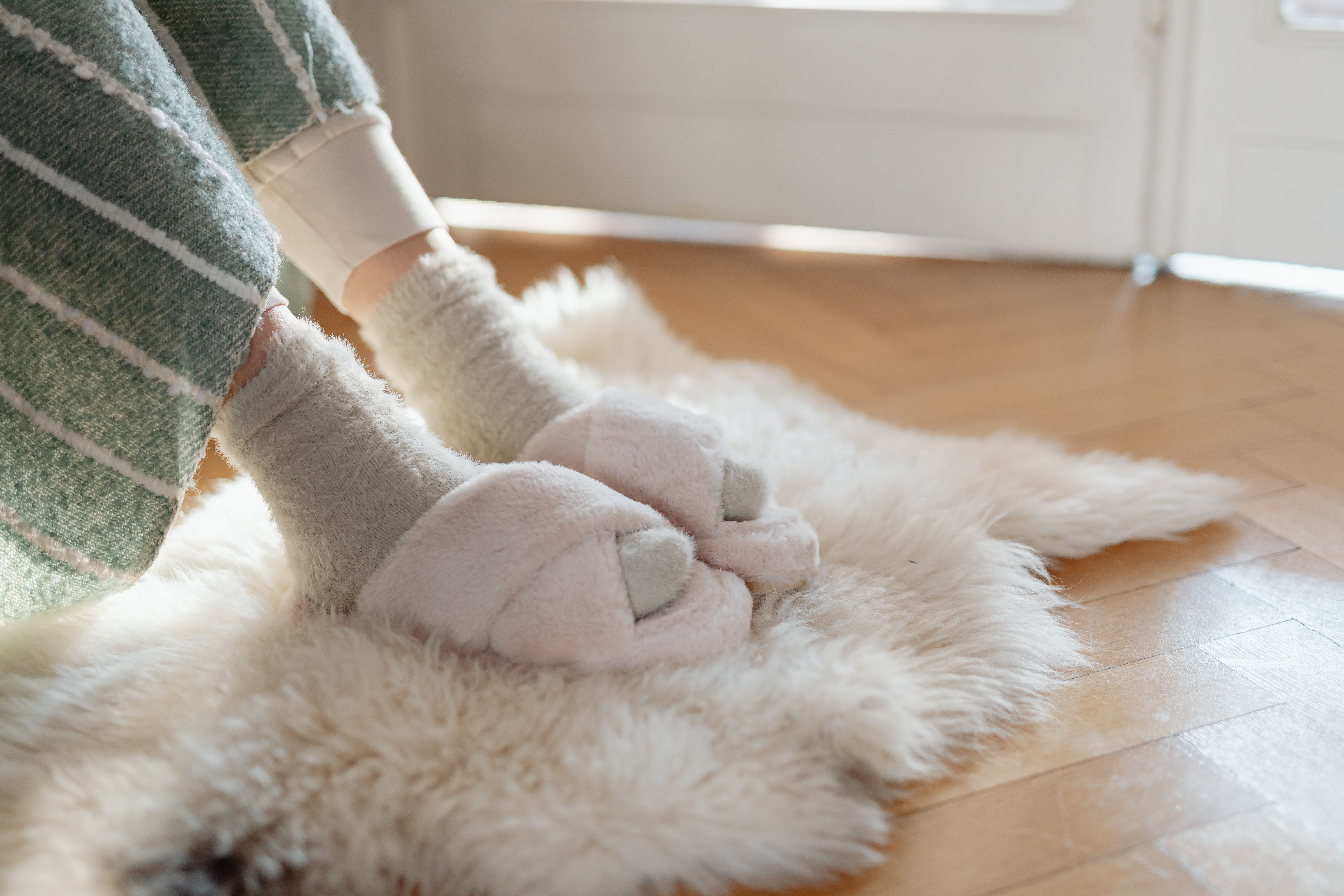
Winter often makes itself known the moment your feet touch the floor. Whether you have timber floorboards, tiles or polished concrete, cold floors in winter can make your entire home feel uncomfortable, even when the heater is running.
While rugs and slippers can make a difference, persistently cold floors are often a sign that your home is losing heat. Older Australian homes, in particular, weren't built with today's energy efficiency standards, so many have little or no insulation beneath the floor.
If you're wondering why your floors always seem freezing during winter, here's what's happening beneath your feet and when it's worth speaking to a professional.
Why do floors feel so cold in winter?
Floors naturally feel cooler because warm air rises while colder air stays closer to the ground. During winter, this effect becomes more noticeable, especially if the floor has little insulation separating it from the outside.
Different flooring materials also retain temperature differently. Tiles, stone and concrete tend to stay colder because they conduct heat away from your feet more quickly. Timber feels warmer than tiles, but if it's exposed to cold air underneath, it can still become icy during winter.
If your floors feel unusually cold compared with the rest of the house, there may be other factors contributing to the problem.
Underfloor insulation is missing or inadequate
Many homes, especially those built before modern energy efficiency requirements, have little or no insulation beneath the floor.
Homes built on stumps or piers often have exposed subfloors where cold outdoor air circulates freely underneath the house. Without insulation, that cold transfers directly through the flooring.
Adding underfloor insulation can reduce heat loss, improve comfort underfoot and help your heating system work more efficiently. It's one of the upgrades homeowners often notice immediately during winter.
Draughts beneath the house
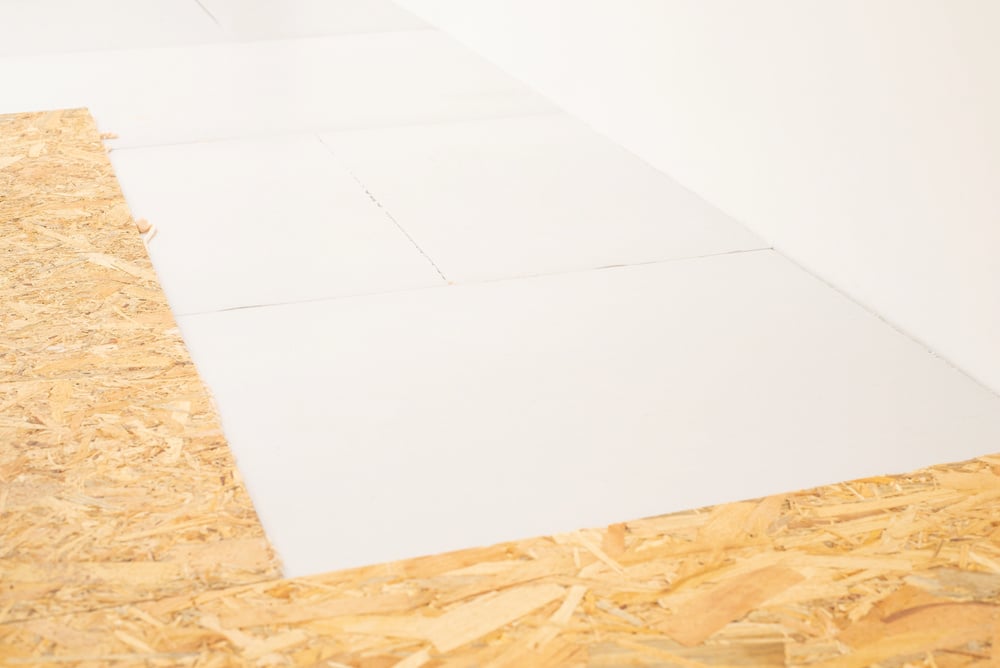
Cold floors aren't always caused by the flooring itself. Gaps around floorboards, vents, plumbing penetrations or the subfloor can allow cold air to enter your home.
You may notice:
- chilly spots near walls
- cold air around skirting boards
- floors that feel colder in one room than another
- heating that never seems to last
A professional inspection can identify where cold air is entering and recommend appropriate sealing solutions.
Your home is losing heat elsewhere
Sometimes the floor isn't the main issue.
Heat escaping through the roof, walls, windows and doors can lower the overall indoor temperature, making every surface feel colder. Even well-insulated floors won't feel particularly warm if the rest of the home is struggling to retain heat.
Looking at your home's insulation as a whole often delivers better long-term results than focusing on one area alone.
Your flooring material naturally feels colder
Some flooring materials simply feel colder than others.
- Tiles stay cool because they transfer heat efficiently.
- Concrete absorbs and retains cold temperatures.
- Stone flooring behaves similarly to concrete.
- Timber flooring generally feels warmer but still loses heat if it's poorly insulated underneath.
- Carpet provides an insulating layer that reduces heat transfer.
If replacing flooring isn't practical, improving insulation beneath the floor may provide a noticeable improvement without changing the surface itself.
Moisture beneath the floor
Damp crawl spaces or excessive ground moisture can make floors feel even colder.
Moisture increases humidity beneath the home and can reduce the effectiveness of insulation. Over time, it may also contribute to mould, timber deterioration and unpleasant odours.
If cold floors are accompanied by musty smells or signs of dampness, it's worth having the subfloor inspected.
Is underfloor insulation worth it?
For many homes, yes.
Underfloor insulation is particularly effective for homes built on raised foundations where there's open space beneath the floor.
Homeowners often report:
- warmer floors during winter
- fewer draughts
- improved indoor comfort
- reduced reliance on heating
- lower energy bills over time
Whether it's suitable depends on your home's construction, existing insulation and accessibility beneath the house. An insulation specialist can assess whether your property is a good candidate.
Could your heating system be part of the problem?
Heating alone can't always overcome heat loss.
If warm air escapes quickly through the floor or other parts of the house, your heater has to work harder to maintain a comfortable temperature. This can leave rooms feeling cold despite higher energy use.
A licensed heating and cooling technician can check whether your system is appropriately sized and recommend upgrades if needed.
When should you call a professional?
If your floors feel cold every winter despite running the heater, it's worth having your home assessed.
A qualified insulation installer or flooring specialist can identify whether the issue is caused by poor insulation, subfloor draughts, moisture or another structural problem. Addressing the underlying cause often improves comfort throughout the home, not just underfoot.
Small issues can also become larger ones if moisture, mould or deteriorating insulation are left unchecked.
Cold floors often point to missing insulation, draughts or other issues beneath your home. Compare quotes from experienced insulation specialists, flooring professionals and heating experts on ServiceSeeking to find the right solution before winter gets any colder.