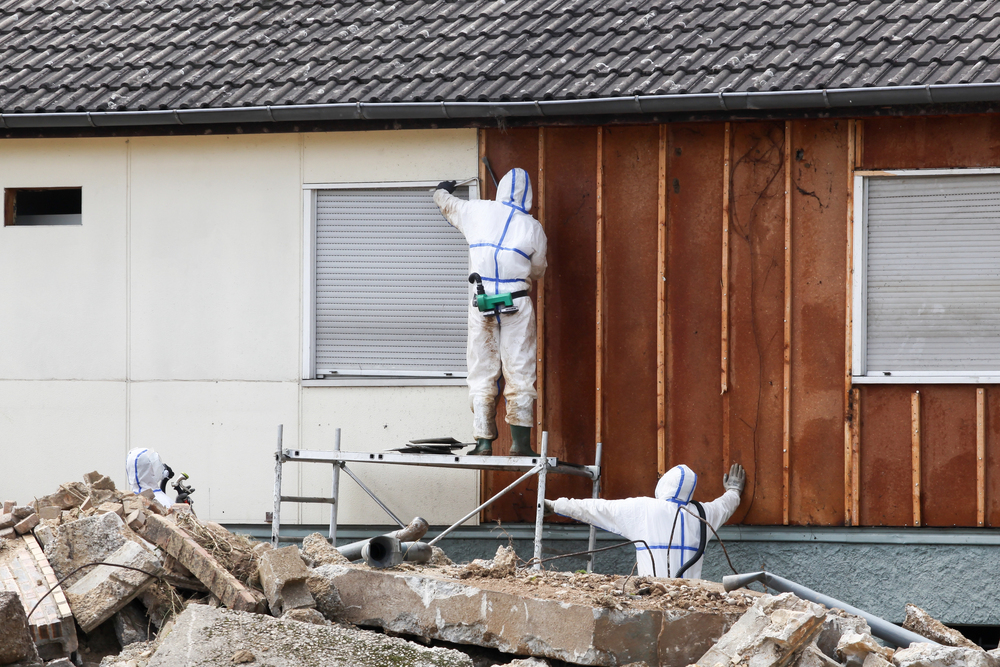
Based on the latest pricing data from ServiceSeeking.com.au, asbestos removal prices average around $206 per square metre, with minimum rates starting from approximately $35 per square metre for smaller or more straightforward jobs. Across all asbestos removal jobs posted on the platform, the average total cost sits at around $2,857. Keep in mind, however, that these figures can vary depending on several factors, including the scale and requirements of the job.
Because asbestos is classified as a hazardous material, removal work often involves strict safety procedures, specialised equipment, and legal disposal requirements. For many homeowners, the final price reflects not only the labour involved, but also the level of containment, testing, and cleanup needed to complete the job safely.
How Asbestos Removal Jobs Are Priced in 2026
Based on asbestos removal quotes submitted through ServiceSeeking.com.au:
- 63% of quotes are charged per square metre
- 13% are quoted as a total fixed price
Per-square-metre pricing is the most common approach, particularly for larger projects where contractors assess the amount of asbestos-containing material that needs to be removed. This pricing structure is often used for jobs involving asbestos sheeting, roofing, fencing, wall linings, or flooring materials.
Fixed-price quotes are more commonly offered when the scope of work is clearly defined from the beginning. This may include smaller residential jobs, garage removals, or projects where the contractor can easily estimate labour, disposal, and safety requirements upfront. Many homeowners prefer fixed pricing because it provides clearer expectations before work begins.
Average Asbestos Removal Costs
Based on the latest ServiceSeeking.com.au data:
- Minimum rate per square metre: $35
- Average rate per square metre: $206
- Average total job cost: $2,857
Lower rates are generally associated with easier access, smaller affected areas, or non-friable asbestos materials that are less complex to remove. Higher costs are more common for projects involving difficult access, extensive contamination, roofing removal, or friable asbestos, which requires stricter containment procedures.
What Can Affect the Cost of Asbestos Removal?
Several factors can influence how much you’ll pay for asbestos removal.
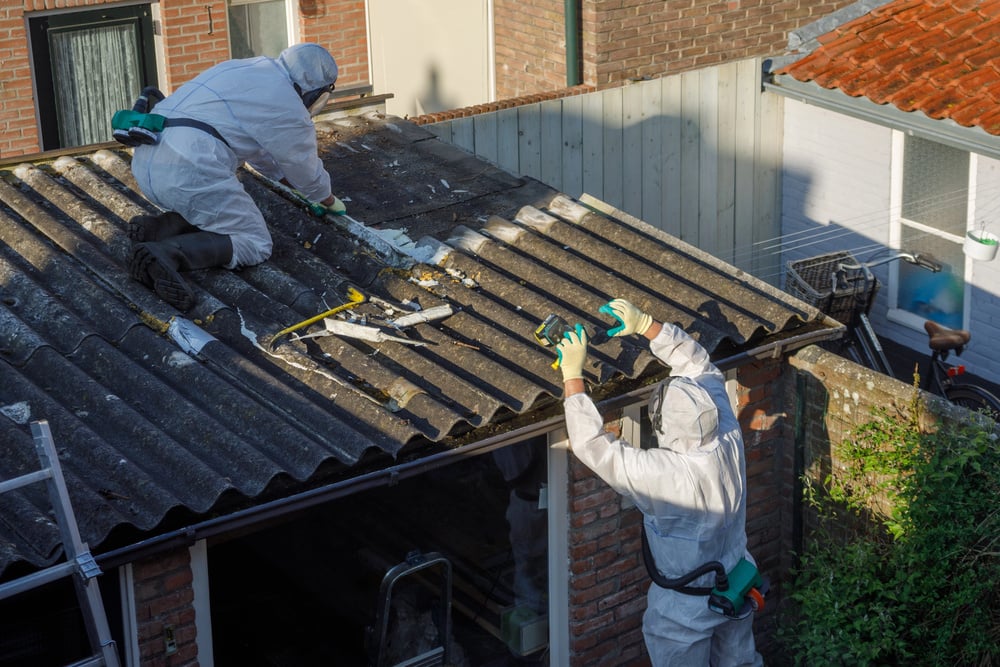
One of the biggest cost factors is the type of asbestos material being removed. Non-friable asbestos, which is bonded into materials like cement sheeting, is usually less expensive to handle than friable asbestos, which can crumble easily and release dangerous fibres into the air.
The size of the affected area also plays a major role. Larger removal projects naturally require more labour, protective equipment, and disposal costs. Accessibility can further affect pricing, especially if asbestos is located in roofing, confined spaces, or multi-storey properties.
Testing and inspections may add to the overall cost as well. In some cases, homeowners may need asbestos identification testing before work begins, particularly if the material’s composition is uncertain.
Disposal fees are another important consideration. Licensed asbestos disposal facilities charge fees based on weight and material type, and these costs are often included in the contractor’s quote.
Tips Before Hiring an Asbestos Removalist
Before accepting a quote, it’s worth asking whether the price includes site preparation, protective equipment, disposal fees, and post-removal cleanup. Some contractors may also arrange air monitoring or clearance certificates if required.
Comparing multiple quotes can also help homeowners understand the typical pricing in their area and the level of service included. Checking licences, insurance coverage, and previous customer reviews is equally important when choosing a contractor for hazardous material removal.
Disclaimer
The prices mentioned in this guide are based on asbestos removal job data sourced from ServiceSeeking.com.au and are intended as a general pricing guide only. Actual costs may vary depending on location, property conditions, accessibility, material type, safety requirements, and the specific scope of work involved.