Furniture Removal
Furniture removal costs: compare & save
Furniture removal costs by hour If you’re moving around the corner you might want to consider a removalist that charges by the hour.
Concrete removal prices can vary widely. See how jobs are commonly quoted and what influences the overall cost of removal.
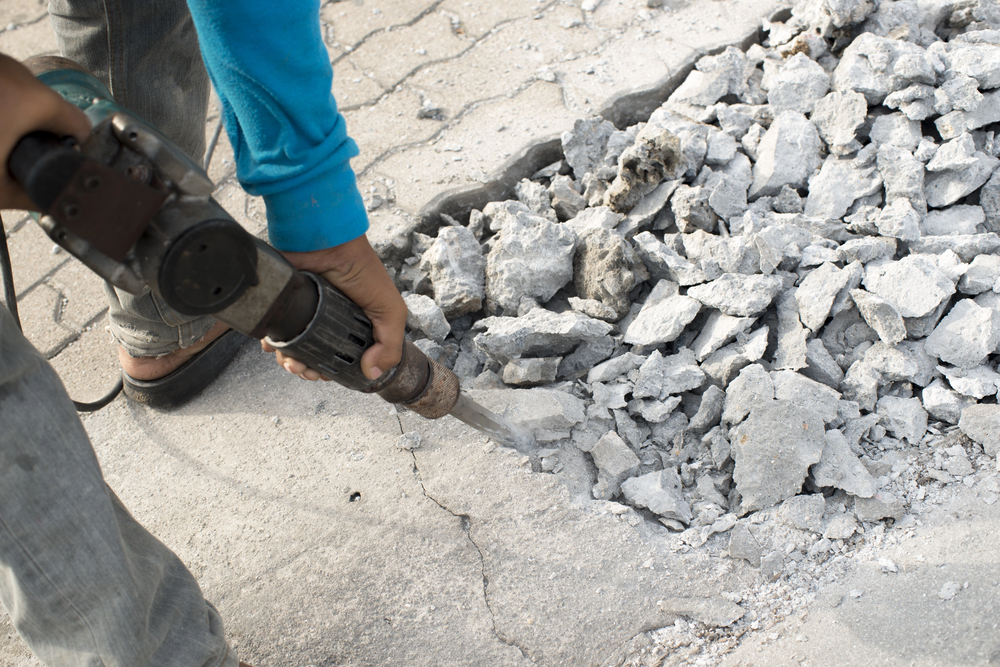
Homeowners looking to clear old driveways, patios, or garden paths can expect a professional concrete removal cost to average around $74 per square metre or $115 per hour, according to the latest market data from ServiceSeeking.com.au. While simpler demolition jobs start at a minimum of $20 per square metre or $50 per hour, overall pricing scales significantly based on the site's depth, reinforcement, and disposal requirements.
If you’re looking for a broader overview of concreting fees, you can also refer to our general concreter price guide. It covers average hourly rates, typical job costs, and how cleaners structure their pricing across different types of work.
How Concreters Structure Removal Quotes in 2026
Analysing the thousands of trade bids submitted across our platform reveals a clear preference for output-based pricing over open-ended labour commitments.
A decisive 58% of Concrete Removal Prices in Australia 2026 opt to quote explicitly per square metre, a structure that offers excellent cost certainty for standard driveways and large outdoor spaces.
Meanwhile, 21% of tradespeople quote using an hourly rate, a method typically favoured for intricate demolition work, tight-access sites where heavy machinery cannot operate efficiently, or projects where the depth and internal steel reinforcement of the slab remain unknown until excavation begins.
The remaining portion of market quotes is structured as fixed, comprehensive project fees for clearly defined, single-visit jobs.
Average Concrete Removal Market Rates
Depending on the specific access constraints and structural layout of your property, quotes will span a broad competitive range. When planning your renovation budget, the actual figures from ServiceSeeking.com.au give a clear picture of the current pricing landscape:
Entry-level square-metre rates usually apply to thin, unreinforced concrete layers, such as old garden borders or basic pedestrian paths, which can be cracked and removed with minimal mechanical effort. Conversely, the higher end of the hourly spectrum reflects the necessity of specialised machinery, including heavy jackhammers, excavators, and skips, as well as the manual labour required to cut through structurally reinforced steel mesh embedded in heavy-duty vehicle cross-overs.
When comparing quotes, always confirm whether waste disposal fees and skip bin rentals are included in the upfront price, as concrete recycling and tip levies can significantly alter the final invoice if left unaccounted for.
Key Factors Driving Excavation and Disposal Costs
The total layout of your invoice is ultimately determined by site dynamics rather than surface area alone. Slab thickness is the initial cost multiplier; a standard 100mm residential driveway requires far less processing and weight management than a reinforced 150mm slab designed for heavy commercial vehicles.
Accessibility plays a pivotal role in final trade pricing. If a contractor can position a mini-excavator directly next to the demolition zone, the project will proceed rapidly. However, if your property features narrow side paths, steep inclines, or structural overruns that require the team to break down and transport debris manually with wheelbarrows, labour charges will naturally increase.
Finally, environmental regulations and proximity to recycling facilities influence how local specialists calculate their overheads. Properly disposing of heavy masonry requires compliance with regional environmental frameworks, so clean, unreinforced concrete is often cheaper to dispose of than mixed materials contaminated with soil, timber, or excessive steel.
Disclaimer: The pricing data provided in this guide is derived from the latest quotes submitted on ServiceSeeking.com.au. These figures represent market averages and entry-level baselines only. Keep in mind, however, that these figures can vary depending on several factors, including the job's scale and requirements, material composition, and site access. Always request formal, site-specific quotes from licensed professionals before commencing work.

Furniture removal costs by hour If you’re moving around the corner you might want to consider a removalist that charges by the hour.
Learn how rubbish removalist prices are quoted, typical rates, and what affects costs so homeowners can plan and compare removal services confidently.
Find out average removalist prices in 2026, including hourly rates, minimum charges, and how removalists calculate moving costs.