Based on recent data from our website, earthworks costs in Australia typically range from around $50 to $110 per hour, with many homeowners paying an average of about $107 per hour for professional earthwork contractors in 2026. Daily rates for larger jobs average $981.55, while projects priced by area often cost around $62.89 per square metre.
These figures are based on recent quotes submitted through ServiceSeeking.com.au, offering a useful snapshot of what Australian homeowners are paying when hiring earthwork companies for residential projects such as site preparation, trenching, excavation, or land levelling.
Keep in mind, however, that these figures can vary depending on several factors, including the scale and requirements of the job, access to the site, equipment required, soil conditions, and project complexity.
Average Earthworks Costs in Australia
Based on earthworks job requests and contractor quotes on ServiceSeeking.com.au, pricing can be structured in several ways depending on the nature of the project. Many earthwork contractors charge by the hour, while others quote per square metre or provide daily rates for larger jobs involving machinery and operators.
Typical 2026 earthworks pricing includes:
- $50 per hour – minimum hourly rate
- $107.46 per hour – average hourly rate
- $110 per day – minimum daily rate
- $981.55 per day – average daily rate
- $122.69 per hour – average day rate (based on an 8-hour day)
- $25 per square metre – minimum rate
- $62.89 per square metre – average rate
- $70 per metre – average trenching or linear work rate
Most earthworks projects fall within these ranges, although specialised work, large machinery, or difficult terrain can increase costs.
How Earthwork Contractors Usually Charge
Different types of earthworks require different pricing models. Earthwork companies typically select the pricing method that best suits the scale and predictability of the work.
Hourly Rates
Hourly pricing is the most common structure for smaller or unpredictable jobs. This might include minor excavation, digging trenches, removing soil, or levelling small areas.
Because earthmoving projects can vary widely depending on soil type, rock presence, and site access, many contractors prefer hourly pricing to account for potential delays or complications.
Daily Rates
For larger projects such as site preparation for construction or extensive land clearing, earthwork contractors often provide a daily rate. This usually includes the operator, machinery, and standard equipment needed to complete the job.
Daily pricing provides homeowners with clearer expectations when projects will take a full day or more to complete.
Square Metre Rates
Some earthworks are priced by area, particularly when the scope is easy to measure. This may include land levelling, site preparation, or clearing areas before landscaping or construction.
Pricing per square metre is often used when the job involves consistent work across a defined surface area.
Linear Metre Rates
Although less common, some projects such as trenching for drainage, utilities, or irrigation systems may be quoted per metre.
This pricing structure is typically used when the job involves digging along a specific line or pathway.
What Affects Earthworks Costs?
While base rates provide a useful guide, the final price for earthworks depends on several important factors.
Site Access
If heavy machinery cannot easily access the site, contractors may need smaller equipment or additional labour. Tight residential blocks, steep slopes, or obstacles can increase the overall cost.
Soil Type and Ground Conditions
Soft soil is generally easier and faster to excavate, while rocky ground or clay can slow down the process and require specialised equipment.
Hard ground conditions often increase both labour time and machinery wear, which can affect the final quote.
Machinery and Equipment
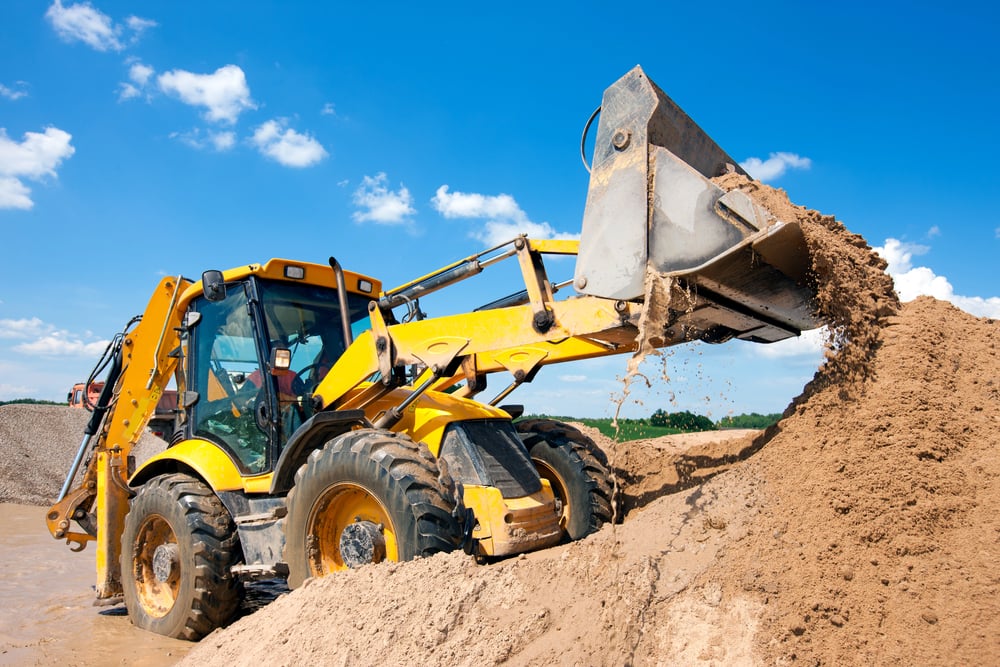
Earthworks frequently require specialised equipment such as excavators, skid steer loaders, bobcats, or tip trucks. Larger machines allow faster work but may increase hourly or daily rates.
The type of machinery required depends on the project size and complexity.
Size of the Project
Naturally, larger projects require more time, equipment, and labour. However, bigger jobs sometimes benefit from lower per-unit rates because contractors can complete work more efficiently at scale.
Material Removal or Disposal
Excavation often produces excess soil, rocks, or debris that must be transported away from the site. Disposal fees and transport costs can add to the overall price of the project.
Common Earthworks Projects for Homeowners
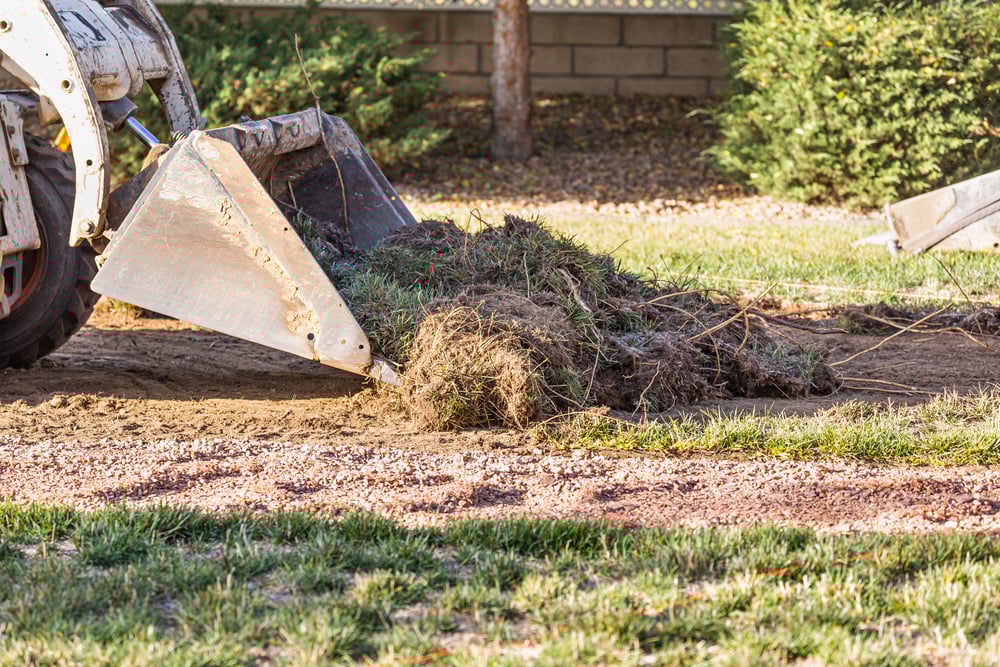
Many Australian homeowners hire earthwork companies during renovations, landscaping projects, or new home construction.
Typical residential earthworks jobs include:
Site preparation is one of the most common tasks. Before building begins, contractors clear vegetation, level the ground, and prepare a stable base for foundations.
Excavation is often required for footings, pools, driveways, and retaining walls. This involves digging and removing soil to create the required depth or shape.
Trenching work is frequently needed when installing drainage systems, irrigation, or underground utilities such as electrical or plumbing lines.
Land levelling is another common project, particularly when homeowners want to create usable outdoor areas for landscaping, patios, or garden structures.
In many cases, earthworks are the first stage of a larger renovation or construction project, making it important to hire experienced professionals who can complete the work safely and efficiently.
Hiring Reliable Earthwork Contractors
Choosing experienced earthwork contractors is essential because excavation and site preparation affect the structural stability of everything that follows.
Professional contractors bring the right machinery, knowledge of soil conditions, and safety procedures needed to complete projects efficiently. They can also identify potential issues early, such as drainage concerns or unstable soil, helping homeowners avoid costly problems later.
Platforms like ServiceSeeking.com.au allow homeowners to compare quotes from multiple earthwork companies, making it easier to find qualified contractors at competitive rates.
Earthworks Cost Disclaimer
The prices listed in this guide are based on earthworks quotes submitted through ServiceSeeking.com.au in 2026 and are intended to provide general pricing guidance for homeowners.
Keep in mind, however, that these figures can vary depending on several factors, including the scale and requirements of the job, site conditions, equipment needed, and contractor availability. For the most accurate estimate, it is always best to request detailed quotes from local earthwork contractors.