Accounting
Learn what documents to prepare before meeting your accountant this EOFY, including income records, receipts, shares and ABN details.

As the end of financial year approaches, many start gathering paperwork for their tax return. For first-time taxpayers, freelancers, homeowners with investment income, and people juggling multiple income streams, it can be hard to know which documents are needed for accountant appointments.
The good news is that most accountants do not expect clients to arrive with perfectly organised folders. What helps most is bringing complete and accurate information so they can prepare your tax return properly and identify deductions or reporting requirements that may apply to your situation.
Whether you are employed full-time, running a side business through an ABN, earning rental income, or investing in shares, preparing a few key documents before your appointment can make the process smoother and faster.
Start With Proof of Income
Your accountant will first need records of all income earned during the financial year. This includes salary, freelance work, investments, government payments, and business income.
For employees, your income statement is usually available through the ATO system. Many accountants can access this information directly once authorised, but it still helps to know which employers you worked for during the year.
If you worked multiple jobs, changed employers, or earned additional income through contract work or side gigs, bring any supporting records you have available. This may include:
- payslips
- payment summaries
- invoices issued under your ABN
- bank statements showing payments received
- records from online platforms or apps
Freelancers and sole traders should also prepare a summary of income earned and business expenses paid throughout the year. Accounting software reports, spreadsheets, or organised folders of invoices are all useful starting points.
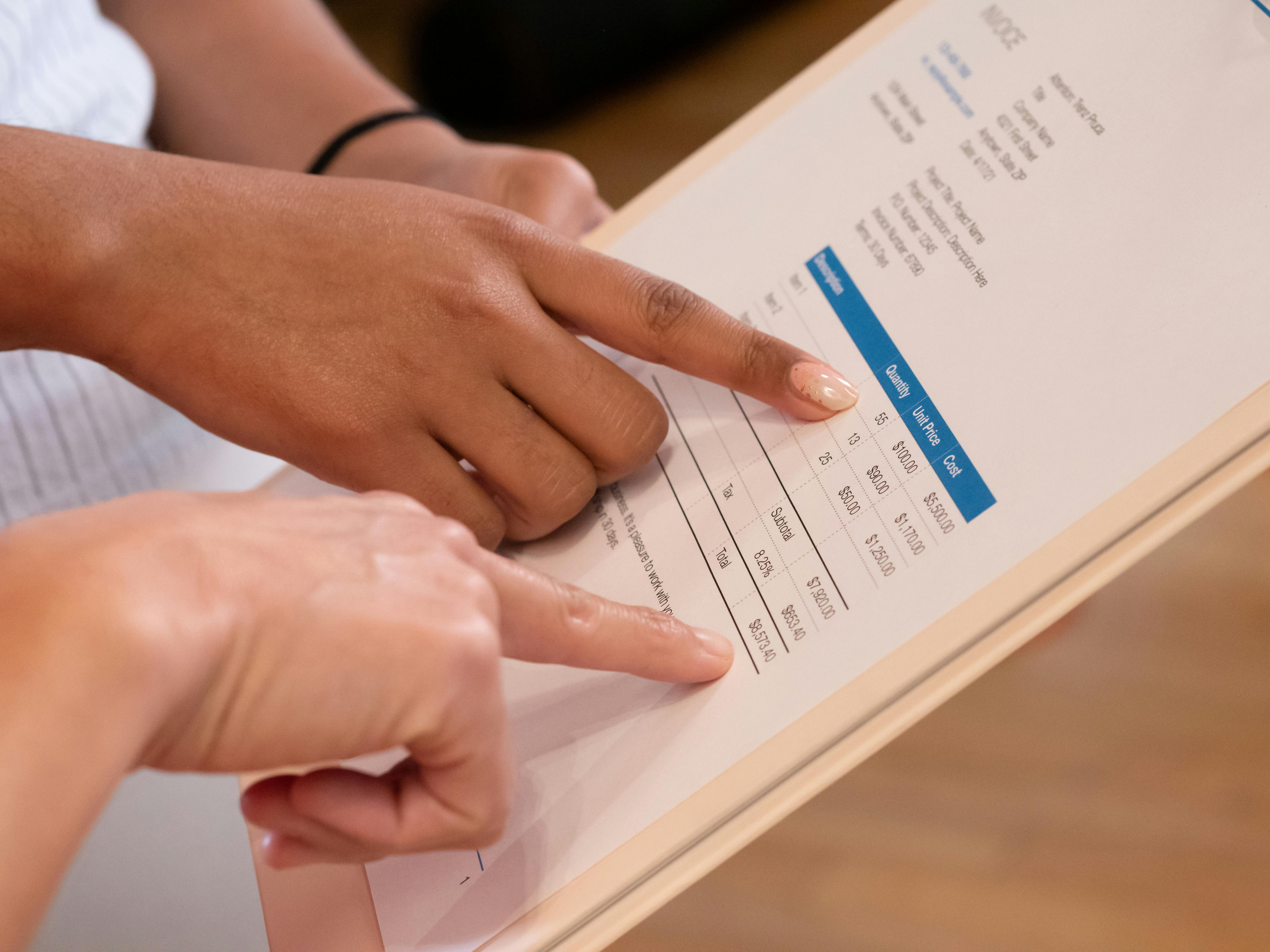
Bring Records of Work-Related Expenses
If you plan to claim deductions, your accountant will need evidence of eligible expenses connected to earning your income.
Common examples include:
- tools and equipment
- uniforms or protective clothing
- training or self-education expenses
- professional memberships
- phone or internet usage for work
- travel between work sites
- vehicle expenses for business use
Receipts, invoices, bank transaction records, and logbooks can all help support claims. Even if you are unsure whether something qualifies, it is still worth discussing with your accountant.
Many homeowners who hire accountants during the EOFY season are also managing renovation projects, rental properties, or home office arrangements. In these situations, additional expense records may be required depending on how the property is being used.
If You Have an ABN, Prepare Business Records
People operating under an ABN often need more documentation than standard employees because income and expenses are not automatically categorised.
Before your appointment, prepare:
- invoices issued to clients
- receipts for business purchases
- bank statements
- records of software subscriptions
- contractor payments
- vehicle or travel records
- insurance documents
- BAS statements if registered for GST
Even if your business only operated for a few months, your accountant still needs accurate records for the period you traded.
The cleaner your records are, the easier it becomes for an accountant to review your finances and prepare reporting requirements.
Share and Investment Information Matters Too
Investment income is one area many first-time taxpayers forget to mention.
If you own shares, ETFs, managed funds, or receive dividends, your accountant may need:
- dividend statements
- annual investment summaries
- capital gains or losses information
- broker transaction reports
- EOFY tax statements from investment platforms
Many share trading platforms provide downloadable EOFY reports specifically designed for tax purposes. These reports often include the information accountants need to calculate capital gains and dividend income correctly.
If you sold investments during the year, make sure transaction dates and purchase prices are included.
Homeowners May Need Property Documents
Homeowners sometimes assume property records are only needed for investment properties, but that is not always the case.
Depending on your circumstances, your accountant may ask for:
- mortgage interest statements
- council rate notices
- rental income records
- depreciation schedules
- property management statements
- renovation or repair invoices
This is especially relevant if part of the home is used for work, rented out temporarily, or linked to investment income.
For landlords, organised property records can make tax time significantly more efficient.

Don’t Forget Personal Information
Some documents are less obvious but still important during tax time.
Bring or confirm:
- your TFN
- bank account details for refunds
- private health insurance statements
- spouse income details if applicable
- Centrelink payment summaries
- HECS or HELP debt information
If you are meeting an accountant for the first time, identification documents may also be requested.
Questions Worth Asking Your Accountant
EOFY appointments are also an opportunity to understand your financial position more clearly.
Some useful questions include:
- Which deductions may apply to my situation?
- Do I need to keep different records next financial year?
- Should I separate business and personal expenses?
- Are there reporting requirements linked to my ABN or investments?
- What deadlines apply to my tax return?
- Can you help with BAS, bookkeeping, or financial planning?
People using accountants for the first time are often surprised by how much guidance they can provide beyond tax returns alone.
Why Preparation Makes Tax Time Easier
Having your paperwork ready before your appointment helps reduce follow-up emails, delays, and missing information later in the process.
It also gives your accountant a clearer picture of your financial situation, particularly if you have multiple income streams, investment activity, or property-related expenses.
As EOFY approaches, many people choose to work with accountants, tax agents, BAS agents, and bookkeepers to help manage reporting obligations and avoid unnecessary stress during tax season.
For homeowners, freelancers, sole traders, and investors looking for professional support, platforms like ServiceSeeking make it easier to compare qualified accountants and financial professionals in your area.