A roof is a long-term investment. Learn how long common roofing materials last and what to expect before planning a replacement.
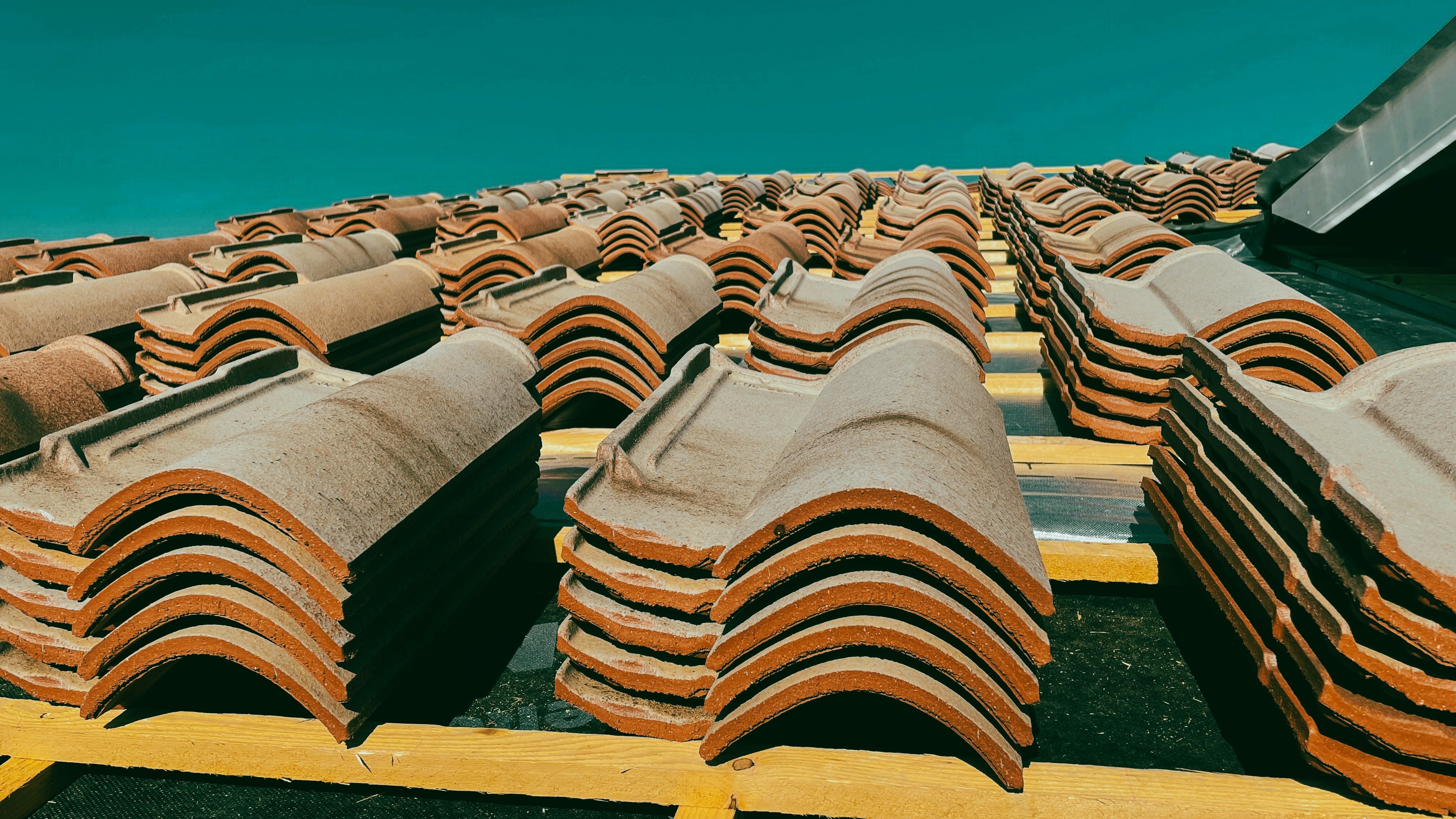
Choosing a roof isn't something most homeowners think about often, which is exactly why it pays to get it right. If you're building, renovating, or simply wondering how much life is left in the roof over your head, knowing how long roofing materials last can help you plan ahead, budget sensibly, and avoid surprises. Below is a rundown of the most common roofing materials used across the country, how long each one typically holds up, and what tends to shorten or extend that lifespan.
Colorbond and Steel Roofing
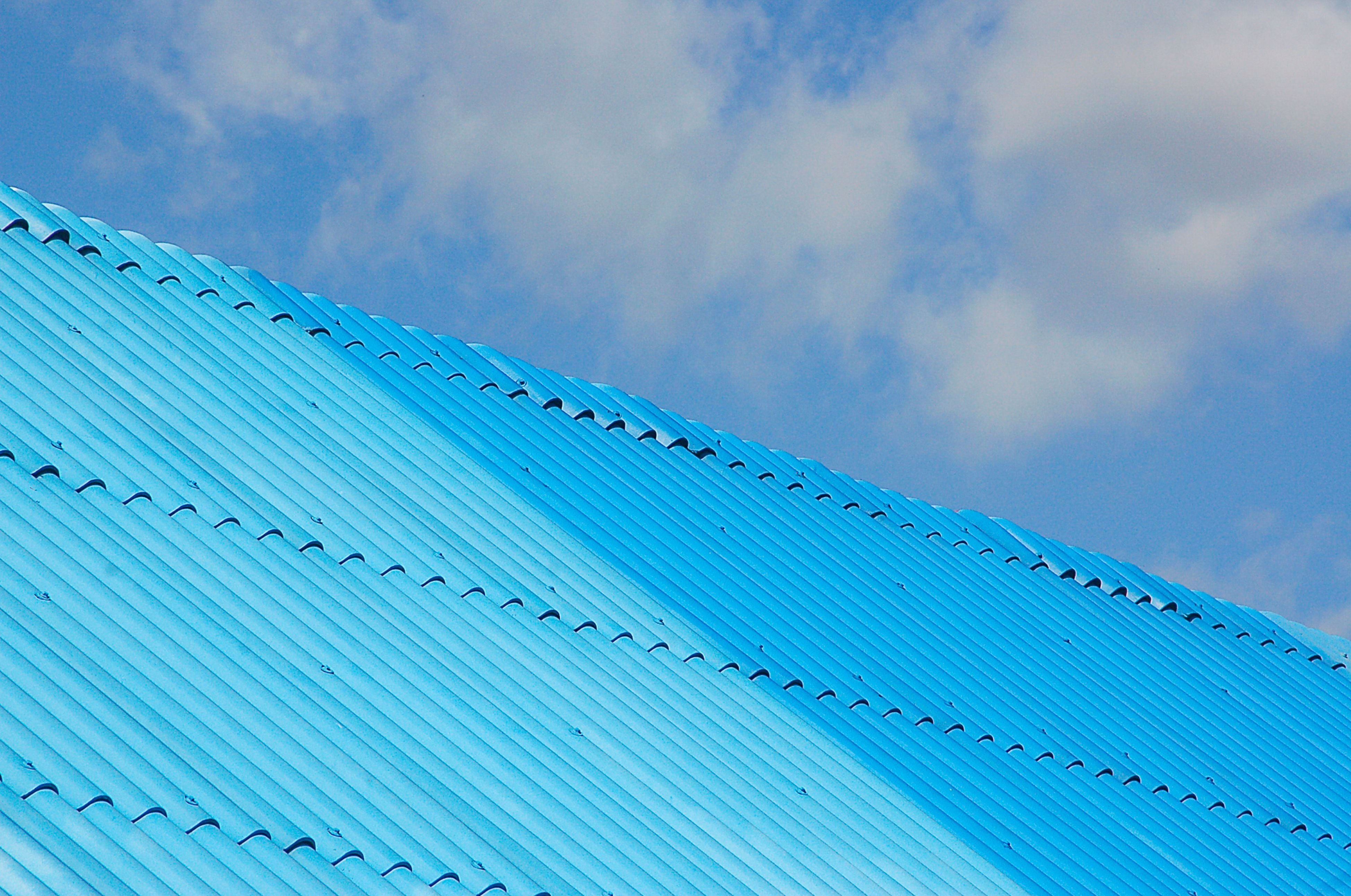
Colorbond steel is one of the most popular roofing choices, and it's easy to see why. It's lightweight, resists cracking, and handles our harsh sun and heavy rain without much fuss. Many homeowners also like that it sheds heat better in lighter colours, which can help keep the house cooler in summer.
A well-installed Colorbond roof typically lasts 50 to 70 years, though the coating and paint finish may need attention sooner. Coastal properties should monitor salt exposure, as it can accelerate wear near the coast. Adding sarking or anticon insulation underneath not only helps with temperature control but also dampens some of the noise steel roofs are known for, such as expansion ticking or rain on the roof.
Terracotta Tile Roofing
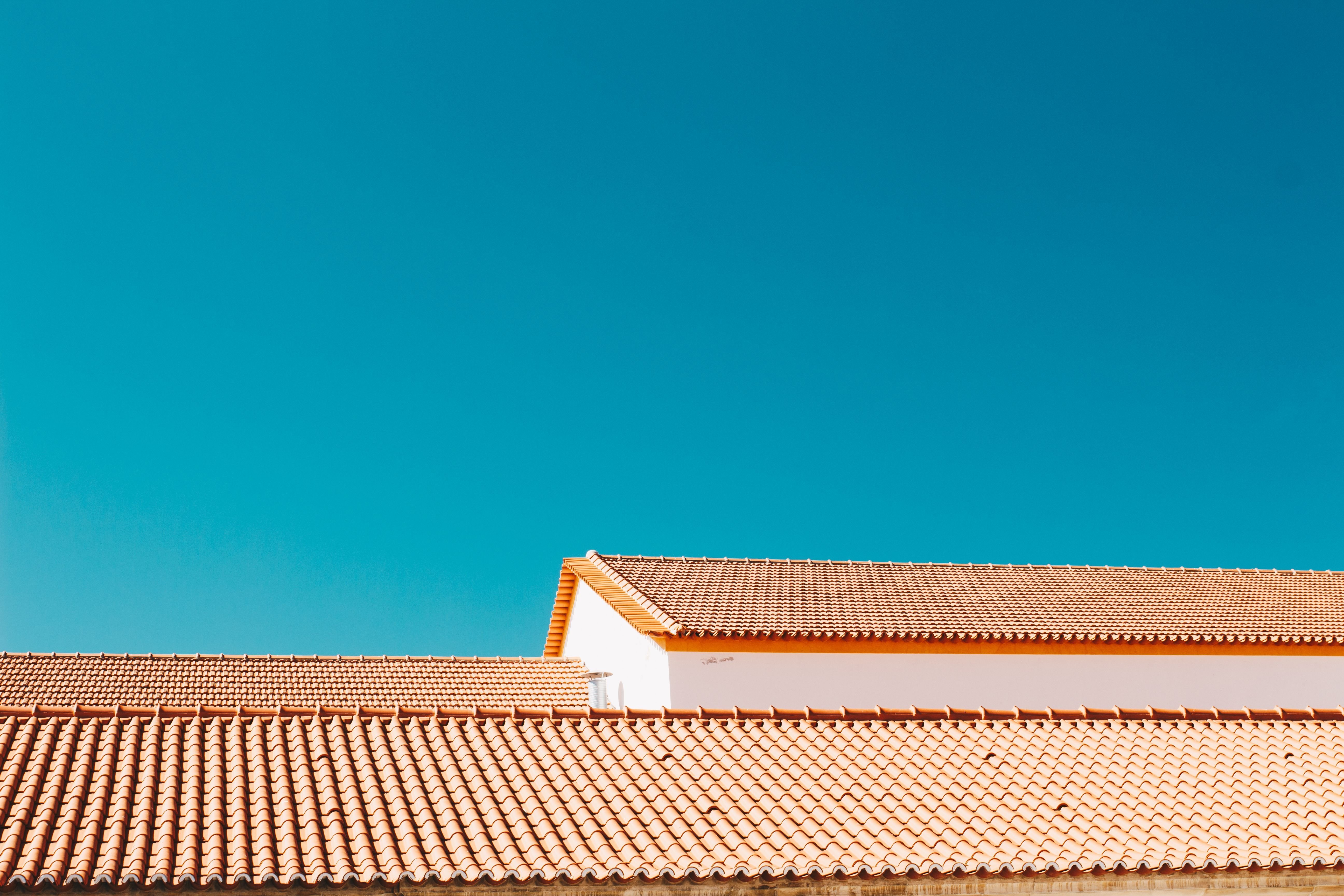
Terracotta tiles have a long history in Australian homes, particularly older properties built from the mid-1900s onward. They're valued for their classic look and natural resistance to fire and UV damage.
Terracotta tiles can last 50 to 100 years, and it's not unusual to find roofs from decades ago with barely a cracked tile among them. The main risks are impact damage from falling branches or foot traffic and general fading over time. The tiles themselves often outlast the pointing and flashing around them, which is worth checking every so often.
Concrete Tile Roofing
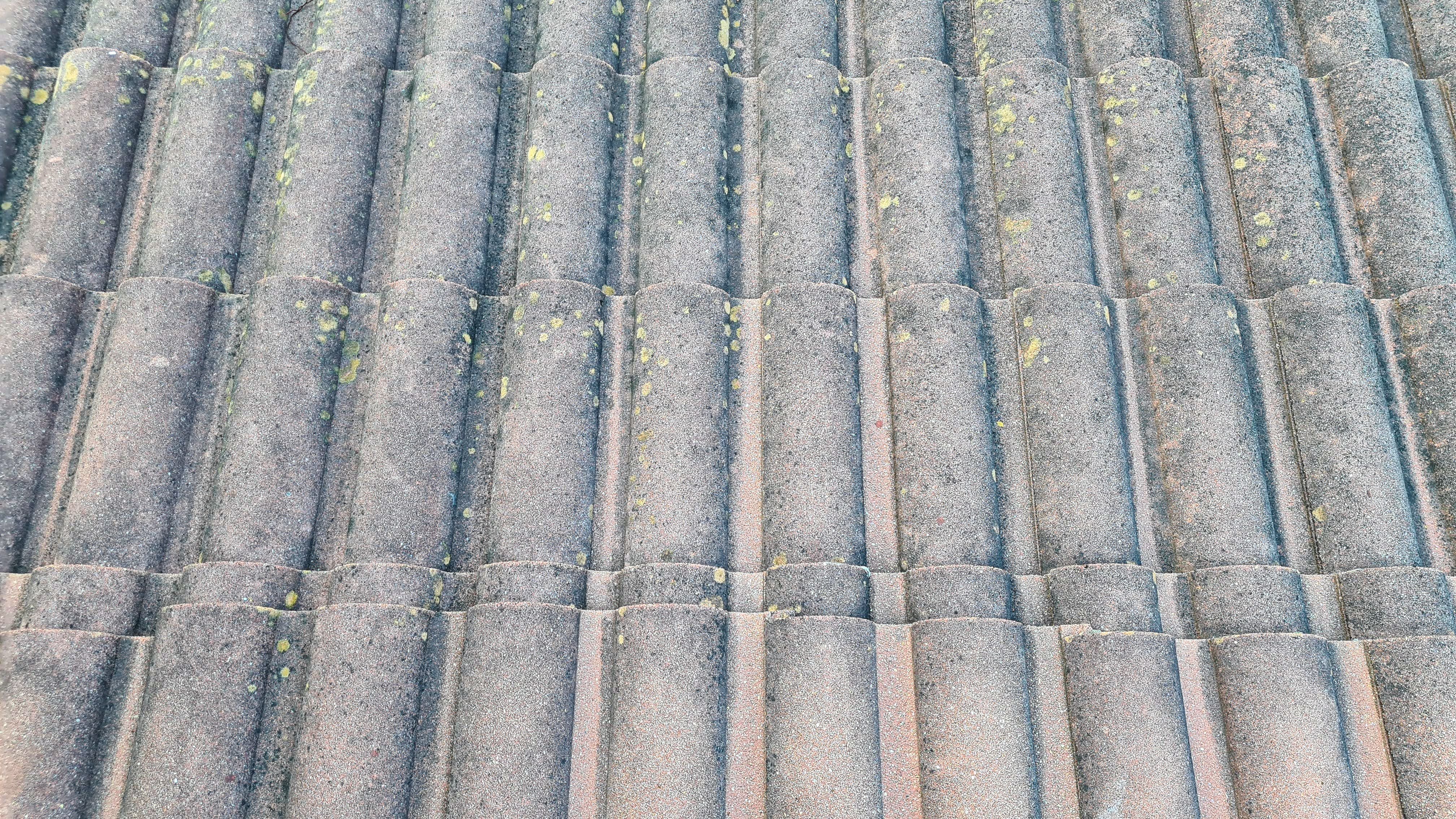
Concrete tiles look similar to terracotta at a glance but are made differently, using a mix of cement and sand pressed into shape. They're a cost-effective option and remain common in newer housing estates.
Concrete tiles generally last 30 to 50 years. They're heavier than steel, so the roof frame needs to be built to handle the extra load. Colour tends to fade faster than terracotta because the pigment sits on the surface rather than throughout the tile, so a concrete tile roof may start to look tired before it actually needs replacing.
Slate Roofing
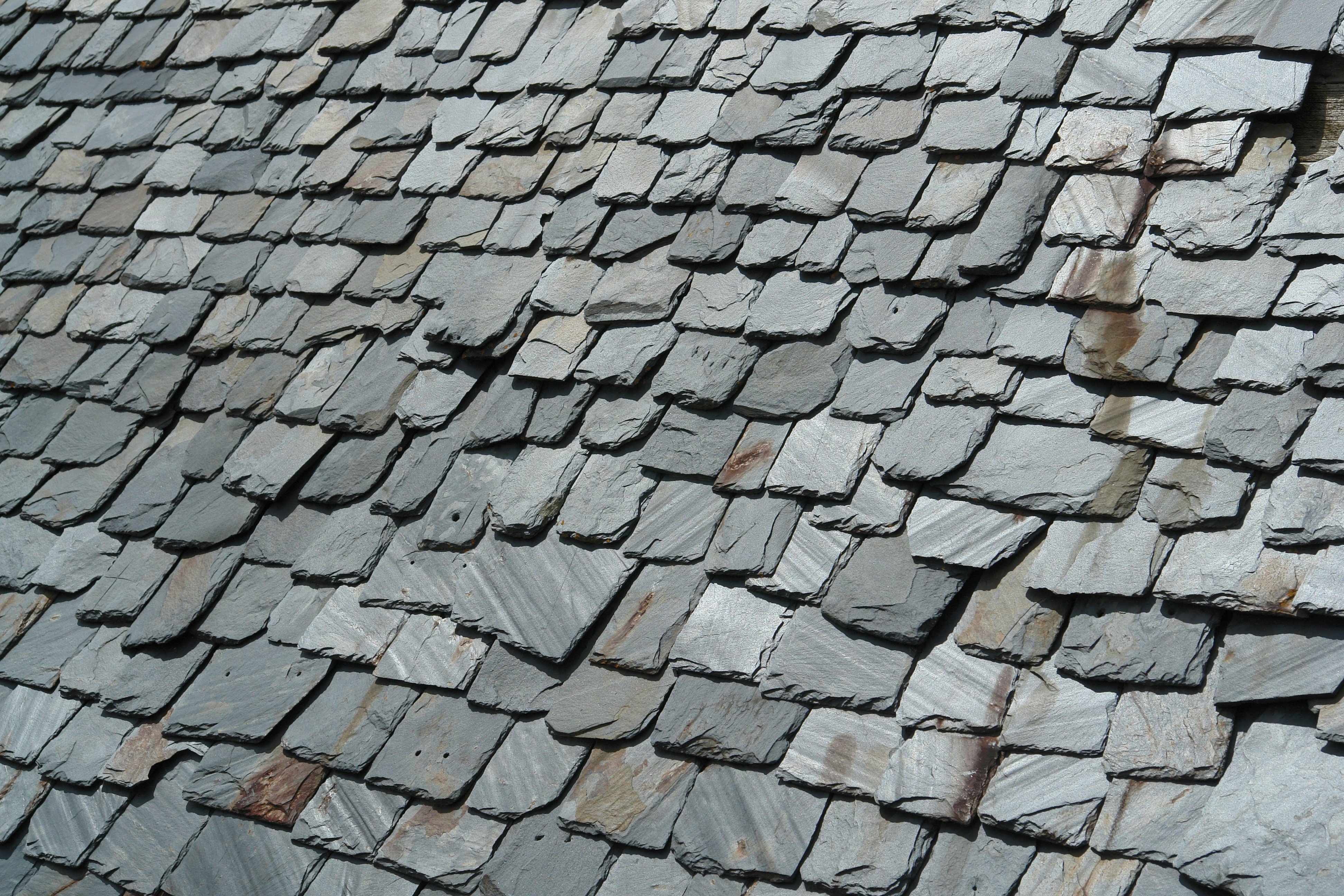
Slate is less common in Australia largely due to cost, but it remains one of the most durable options available. Natural slate tiles are cut from quarried stone rather than moulded or fired.
A properly installed slate roof can last well over 100 years, with some historic examples still going strong well beyond that. The trade-off is the upfront cost, which is considerably higher than that of steel or tile. Slate is usually reserved for heritage homes or higher-end builds where longevity and appearance matter more than budget.
Membrane and Flat Roofing
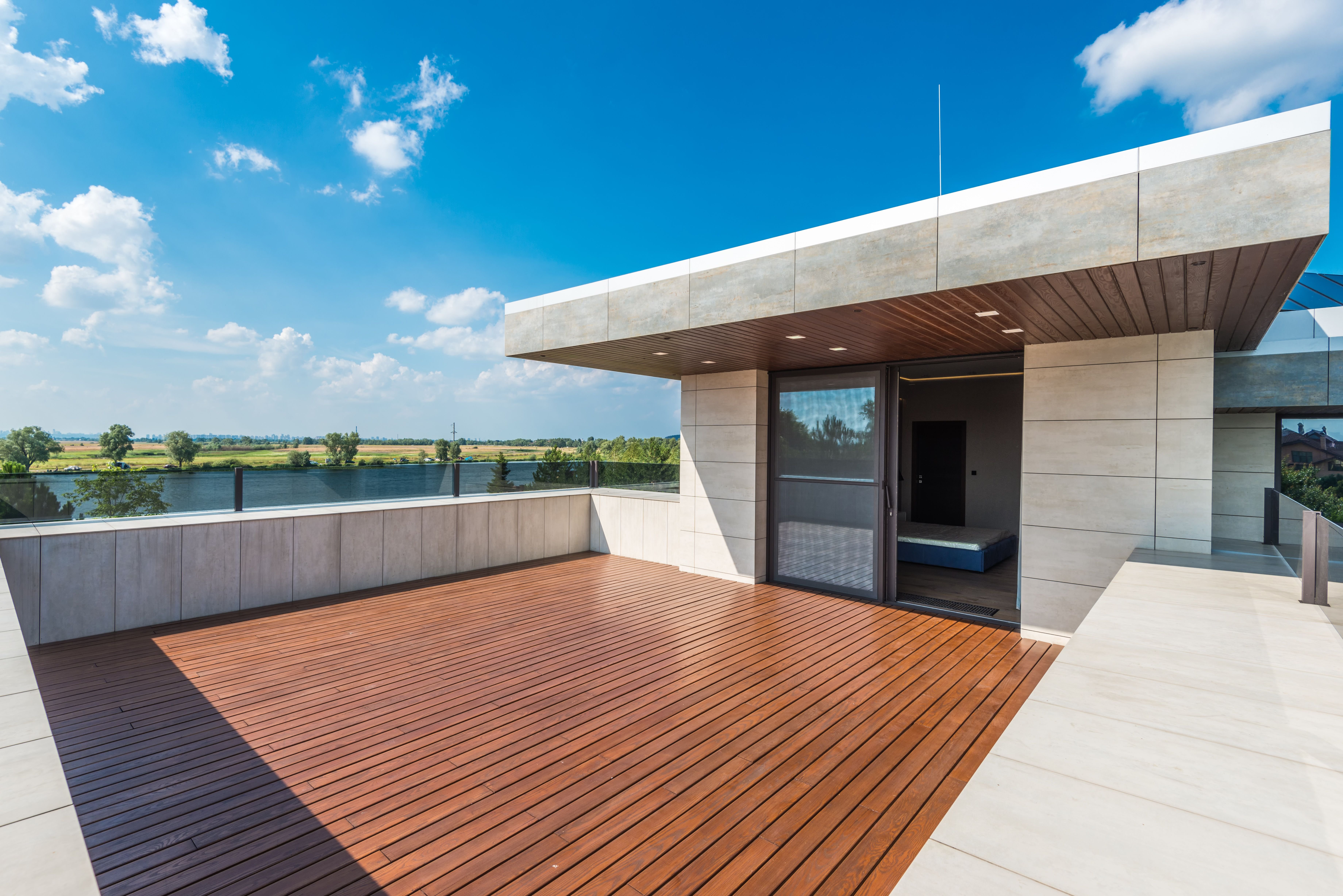
Flat or near-flat sections of roof, such as those on extensions, verandahs, or modern architectural homes, typically use membrane systems rather than tiles or steel sheeting. These include options such as torch-on membrane, TPO, and liquid-applied coatings.
Membrane roofing usually lasts 15 to 25 years, depending on the product and how well it's maintained. Ponding water, UV exposure, and foot traffic are the biggest factors shortening its lifespan. Because these systems rely on careful sealing at joins and edges, quality installation matters more here than with most other roofing types.
What Affects Your Foor's Longevity
The lifespans above are a guide, not a guarantee. A few things influence how a roof performs over time:
Climate plays a big part, with harsh sun, hail, and coastal salt air all taking a toll on different materials at varying rates. Ventilation and insulation choices, like sarking or anticon, affect not just comfort and noise but also how much moisture builds up in the roof space over the years. Regular maintenance, such as clearing debris, checking flashing, and promptly replacing damaged tiles or panels, tends to make the biggest difference of all.
Installation quality can make or break even the best materials. A premium roof, poorly installed, may fail well before its expected lifespan, while a modest material, properly fitted, can quietly outperform expectations for decades.
Getting the Right Advice for Your Roof
If your roof is getting on in years, or you're planning a new build and weighing up materials, it helps to get an assessment from someone who deals with roofs every day. A local roofer can look at your specific situation, from the pitch of your roof to your local climate, and give you a realistic picture of what to expect and when repairs or replacement might be worth considering.
ServiceSeeking makes this easy. You can post your job, compare quotes from roofers in your area, and read reviews from other homeowners before deciding who to bring on board. Whether you need a full re-roof, a repair, or simply a professional opinion on how much life is left in your current roof, getting a few quotes through ServiceSeeking is a straightforward way to make an informed decision without the guesswork.