Here are the most common reasons your ceiling becomes damp during winter and what you can do about them before they become major issues.
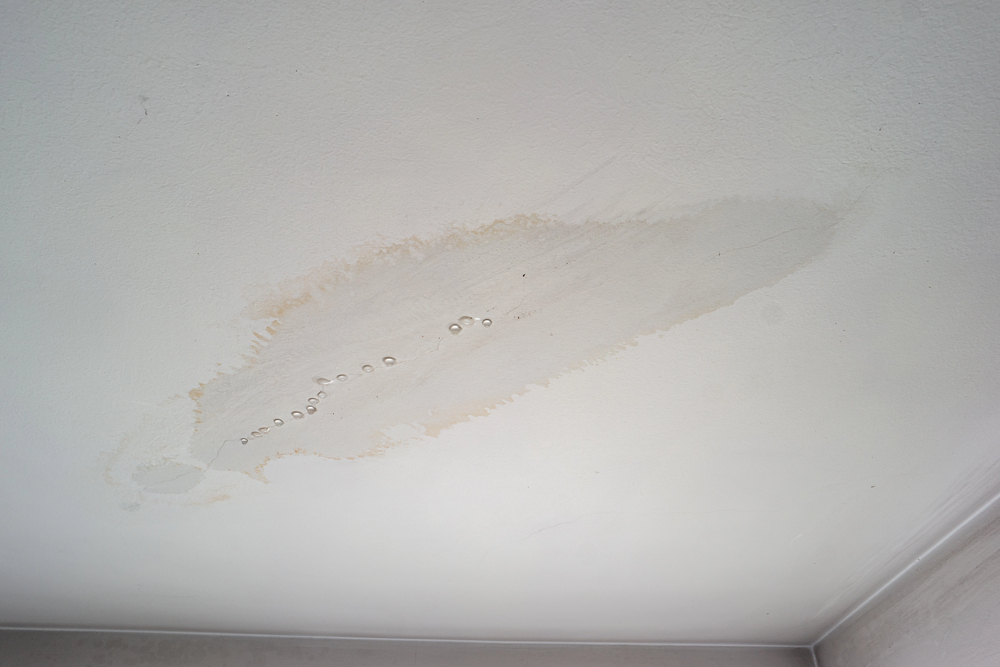
Winter in Australia might not bring snow to most parts of the country, but it does bring something many homeowners dread—damp ceilings. Whether it's a mysterious brown stain spreading across the plaster or patches that feel cold and damp to the touch, ceiling moisture is never something to ignore.
While a damp ceiling might seem like a minor cosmetic issue, it can quickly turn into mould, structural damage, expensive repairs, and even health concerns if left untreated.
The good news? Most winter ceiling problems have identifiable causes, and many can be fixed before they become major headaches.
Here are the most common reasons your ceiling becomes damp during winter—and what you can do about them.
1. Roof Leaks Become More Noticeable
Winter usually means more rain across many parts of Australia. Even a tiny gap in your roof can allow water to seep into your ceiling cavity.
Common causes include:
- Cracked or slipped roof tiles
- Rusted metal roofing
- Damaged flashing around chimneys or skylights
- Loose ridge capping
- Blocked roof valleys
The tricky part is that water doesn't always drip directly below the leak. It can travel along roof timbers before eventually soaking into your ceiling, making the source difficult to pinpoint.
If you've noticed fresh water stains after heavy rain, it's worth having your roof professionally inspected before the damage spreads.
2. Condensation Is Building Up
Not every damp ceiling comes from rain.
During winter, warm indoor air meets cold ceiling surfaces, creating condensation. Over time, this moisture can soak into plasterboard, especially in homes with poor insulation or ventilation.
Condensation is particularly common in:
- Older Australian homes
- Bedrooms
- Bathrooms
- Kitchens
- Laundry rooms
If the dampness appears without any rainfall, condensation may be the culprit.
3. Poor Roof Ventilation
Your roof space needs airflow.
Without proper ventilation, warm moist air gets trapped inside the roof cavity. As temperatures drop overnight, that moisture condenses on roof timbers and insulation before eventually dripping onto the ceiling below.
Signs of poor roof ventilation include:
- Persistent ceiling dampness
- Mould in the roof cavity
- Musty smells
- Damp insulation
Installing roof vents or improving airflow can often solve the problem before serious damage occurs.
4. Blocked Gutters and Downpipes
Many homeowners don't think about their gutters until they're overflowing.
Leaves, twigs and debris can block gutters during autumn, leaving winter rainwater with nowhere to go. Overflowing water can back up underneath roofing materials and seep into ceilings.
Blocked gutters can also cause:
- Timber rot
- Fascia damage
- Wall dampness
- Foundation problems
Cleaning gutters before winter is one of the simplest ways to prevent costly repairs later.
5. Damaged Roof Flashing
Roof flashing seals vulnerable areas where the roof meets other structures, including:
- Chimneys
- Skylights
- Roof vents
- Solar panel mounts
Over time, flashing can crack, lift or rust, allowing rainwater to sneak inside.
Because flashing failures often create slow leaks rather than dramatic drips, homeowners may only notice the problem once ceiling stains appear.
6. Plumbing Leaks Above the Ceiling
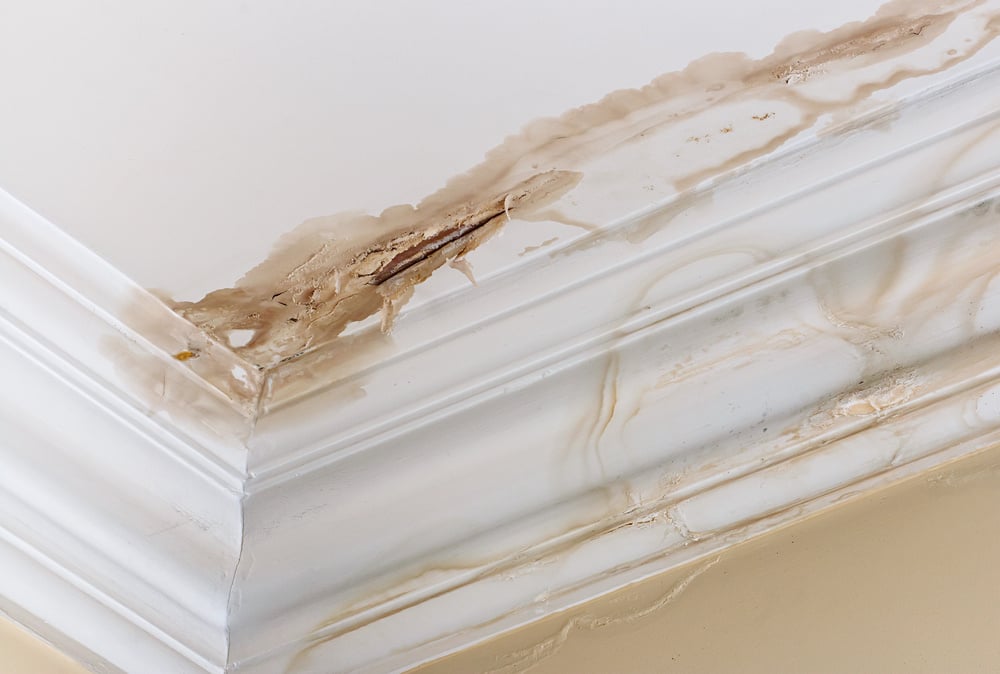
Not every ceiling leak starts outside.
If there's a bathroom, laundry or upstairs kitchen above the affected area, leaking pipes could be responsible.
Common plumbing issues include:
- Slow pipe leaks
- Loose fittings
- Faulty shower waterproofing
- Overflowing drain pipes
Unlike roof leaks, plumbing leaks can continue regardless of the weather, so the damp patch may grow even during dry spells.
A licensed plumber can quickly determine whether the moisture is coming from internal plumbing rather than the roof.
7. Cracked Roof Tiles
Concrete and terracotta roof tiles expand and contract with changing temperatures.
Over time, this movement can create hairline cracks that aren't always obvious from the ground.
During heavy winter rain, water enters through these small openings and slowly damages ceiling plaster below.
Replacing a few cracked tiles early is far cheaper than repairing an entire ceiling.
8. Worn or Damaged Insulation
Insulation does more than keep your home warm.
It also helps regulate temperature differences that contribute to condensation.
Old or damaged insulation can allow cold air to meet warm indoor air more easily, increasing moisture build-up inside your roof cavity.
If your insulation is wet, compressed or deteriorating, replacing it may improve both energy efficiency and moisture control.
9. Mould Is Already Taking Hold
Sometimes the damp patch isn't the main problem—it's the mould growing because of it.
Winter provides ideal conditions for mould growth thanks to:
- Cooler temperatures
- Higher humidity
- Less ventilation
- Reduced sunlight
Mould often appears as:
- Black spots
- Green patches
- Brown staining
- Musty odours
Simply painting over mould won't fix the underlying moisture issue.
The source of the water needs to be addressed first before cleaning or repairing the ceiling.
10. Small Problems Have Been Left Too Long
One of the biggest causes of major ceiling damage isn't the original leak—it's delaying repairs.
A tiny roof leak can eventually lead to:
- Sagging ceilings
- Collapsed plasterboard
- Timber rot
- Electrical hazards
- Extensive mould growth
Winter weather often accelerates existing problems because rain becomes more frequent and drying times are much longer.
The earlier a problem is diagnosed, the cheaper and easier it usually is to fix.
How to Tell If Your Ceiling Dampness Needs Immediate Attention
Some warning signs shouldn't be ignored.
Arrange an inspection if you notice:
- Brown or yellow ceiling stains
- Bubbling or peeling paint
- Sagging plasterboard
- Water dripping during rain
- Mould spreading across the ceiling
- Persistent damp smells
- Cracks appearing near water stains
If water is close to electrical fittings or light fixtures, switch off power to the affected area if it's safe to do so and contact a qualified professional immediately.
Can You Fix a Damp Ceiling Yourself?
Simple maintenance jobs like cleaning gutters or improving ventilation may help prevent future moisture problems.
However, identifying the actual source of a damp ceiling often requires experience. Water can travel surprising distances before becoming visible, making DIY diagnosis difficult.
Roofers, plumbers and waterproofing specialists have the tools to locate hidden leaks, while plasterers can repair damaged ceilings once the moisture problem has been resolved.
Trying to patch or repaint the ceiling without fixing the underlying cause usually means the stains—and the repairs—will return.
Find the Right Tradie Before Winter Damage Gets Worse
A damp ceiling rarely fixes itself. Whether it's a leaking roof, blocked gutters, faulty flashing or hidden plumbing, dealing with the issue early can save you from much larger repair bills down the track.
Instead of guessing where the moisture is coming from, get quotes from experienced local tradies who can inspect the problem properly and recommend the right solution.
At ServiceSeeking.com.au, you can easily compare quotes from trusted roofers, plumbers, waterproofing specialists and ceiling repair professionals near you. With verified reviews and competitive pricing, finding the right expert is quick and hassle-free—so you can protect your home before a small damp patch turns into a major winter repair.