Home Improvement
School clutter spreads fast once term starts. Learn why it happens, what it says about your home, and how families reset their space for school life.
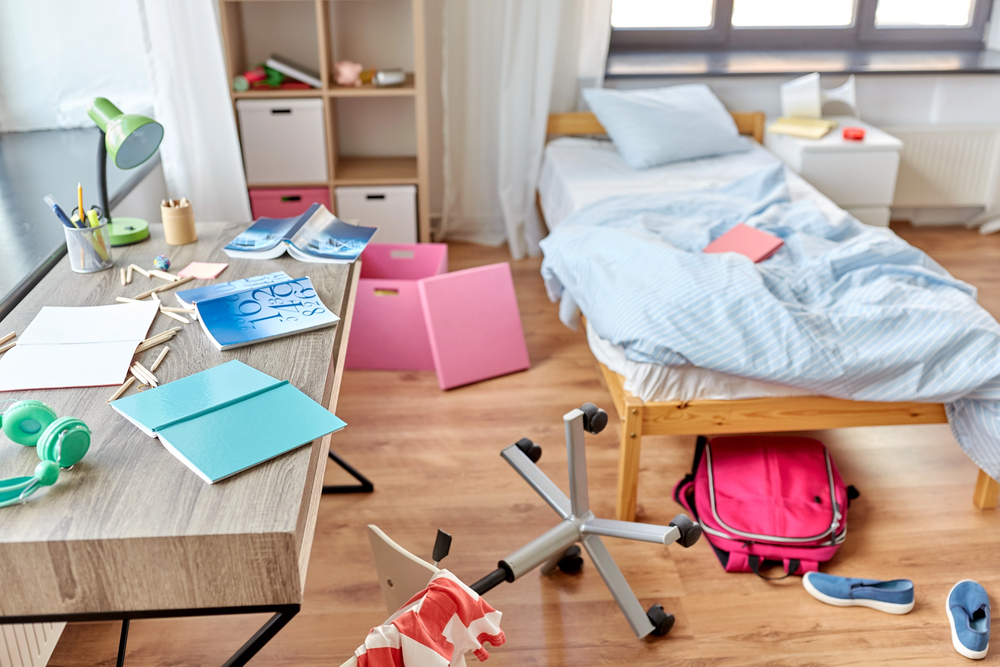
Once school starts, many homes feel like they change overnight. Benches fill up. Chairs disappear under bags. The dining table becomes a permanent drop zone. What used to be a tidy living space starts to look like a satellite campus.
This isn’t a discipline problem. And it isn’t a sign that anyone is doing something wrong.
School clutter is a life-stage problem. It happens when an institution quietly moves into a family home every weekday, bringing its objects, schedules, and pressures with it. Most homes simply weren’t set up for that.
Understanding why school clutter spreads is often the first step to dealing with it in a way that actually lasts.
1. The volume shock
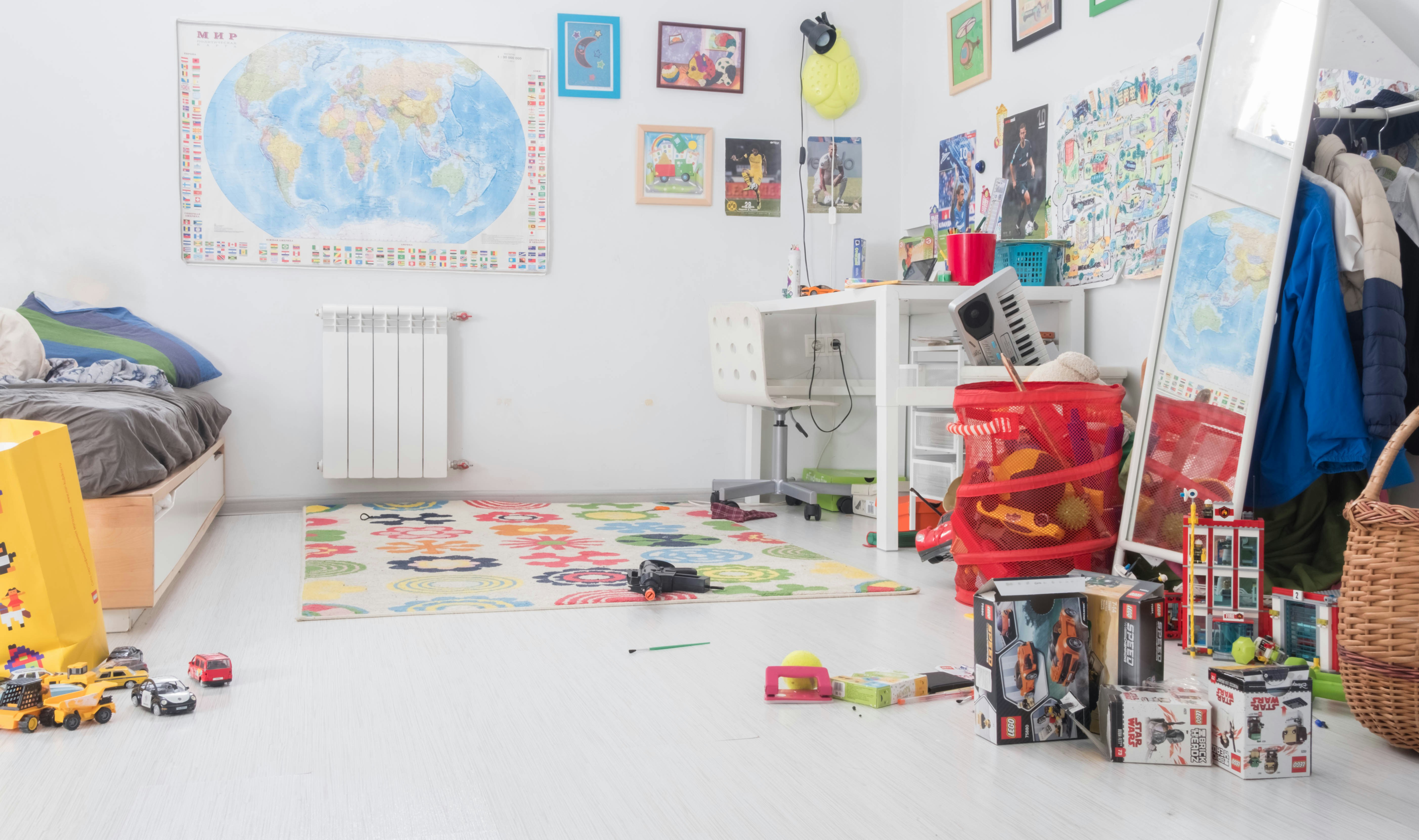
School doesn’t just add a bag. It adds backpacks, lunchboxes, drink bottles, hats, sports kits, laptops, chargers, musical instruments, art projects, notes, forms, and stacks of books. This volume arrives almost at once. A home that worked perfectly well in the preschool years suddenly has to absorb the daily equipment of a small institution.
Most houses are designed for families, not for classrooms, locker rooms, libraries, and canteens entering the house five days a week. When the physical volume has nowhere to live, it spreads into the nearest available spaces. That’s often the kitchen, the hallway, the dining table, and the lounge.
2. The daily movement problem
School items move from home to school, from school to car, from car to kitchen, from bedroom to living room, and from laundry to hallway. When objects travel constantly, they need clear places to land.
If nothing in the home signals where they stop, they settle wherever life happens. Benches, chairs, sofas, and floors become default storage. School clutter doesn’t spread because kids are messy. It spreads because the house doesn’t tell school items where they belong.
3. The age-shift problem
Early systems often stop working without anyone noticing.
One hook and one basket might have been enough before. Now there are textbooks, devices, extra uniforms, sport gear, and activity bags.
The change happens gradually, so families adjust room by room instead of all at once. School clutter is often the first sign that children have outgrown the home’s original setup.
4. The timing problem
School runs on tight schedules. Mornings are rushed. Afternoons are busy. Evenings are tired.
There’s little time to return items to bedrooms or cupboards. Things stay where they’re dropped because the day keeps moving. In busy households, living areas slowly turn into holding spaces.

5. The multi-use room problem
School changes how rooms are used.Dining tables become homework and packing stations. Living rooms become bag zones and uniform piles.
When rooms take on new roles without support, clutter stops being temporary. School things don’t take over rooms. Rooms become the only places that can handle them.
6. The invisible system gap
Many homes lack systems that match school life, such as:
- Clear drop zones near entrances
- Power points where bags naturally land
- Laundry flow for uniforms and sportswear
- Enclosed storage close to daily walkways
- Spaces that support growing independence
Without these, surfaces take over the job. Benches, chairs, and floors become organisers.
7. The emotional layer
School items carry pressure. They’re tied to schedules, responsibilities, and the fear of forgetting something.
That’s why they often stay visible. When something matters, people keep it close. So bags stay by doors. Notes stay on benches. Projects stay out. School clutter lingers because school consequences do.
8. What usually changes when families regain control
When school clutter starts to ease, it’s rarely because families try harder. It’s usually because the home changes.
Through ServiceSeeking, many families book work that reshapes how their space supports daily routines, including:
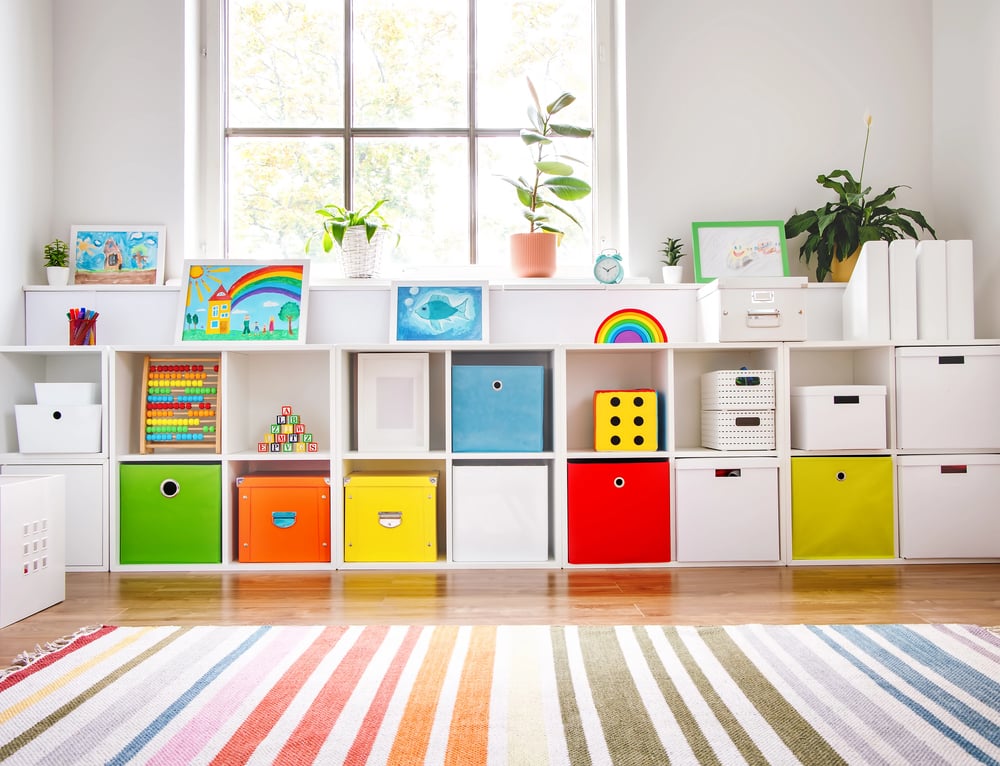
- Storage and cabinetry installs
- Carpentry for shared areas
- Shelving and enclosed storage
- Lighting upgrades for study spaces
- Power point additions for devices
- Laundry changes for uniform flow
- Entry and storage upgrades
The home adjusts to school life, instead of families working around it.
Where cleaning services fit into school clutter
School routines put constant pressure on shared spaces. Bags land daily. Containers open on benches. Uniforms pass through living areas.
This steady traffic builds up dirt and wear faster than many families expect.
That’s why many homeowners also book professional cleaning services. Not because the house is “untidy”, but because high-use areas need regular resets.
Cleaning services help maintain kitchens, entryways, dining spaces, and living rooms where school life concentrates. On ServiceSeeking, homeowners can compare local cleaners who understand busy households and ongoing traffic.