Average Price
Architect prices in 2010
Architects on ServiceSeeking.com.au charge an average of $101.26 per hour for residential architecture, with the average job costing $10,000....
A clear guide to arborist prices, including hourly rates, daily costs, and what affects quotes for tree services in your area.
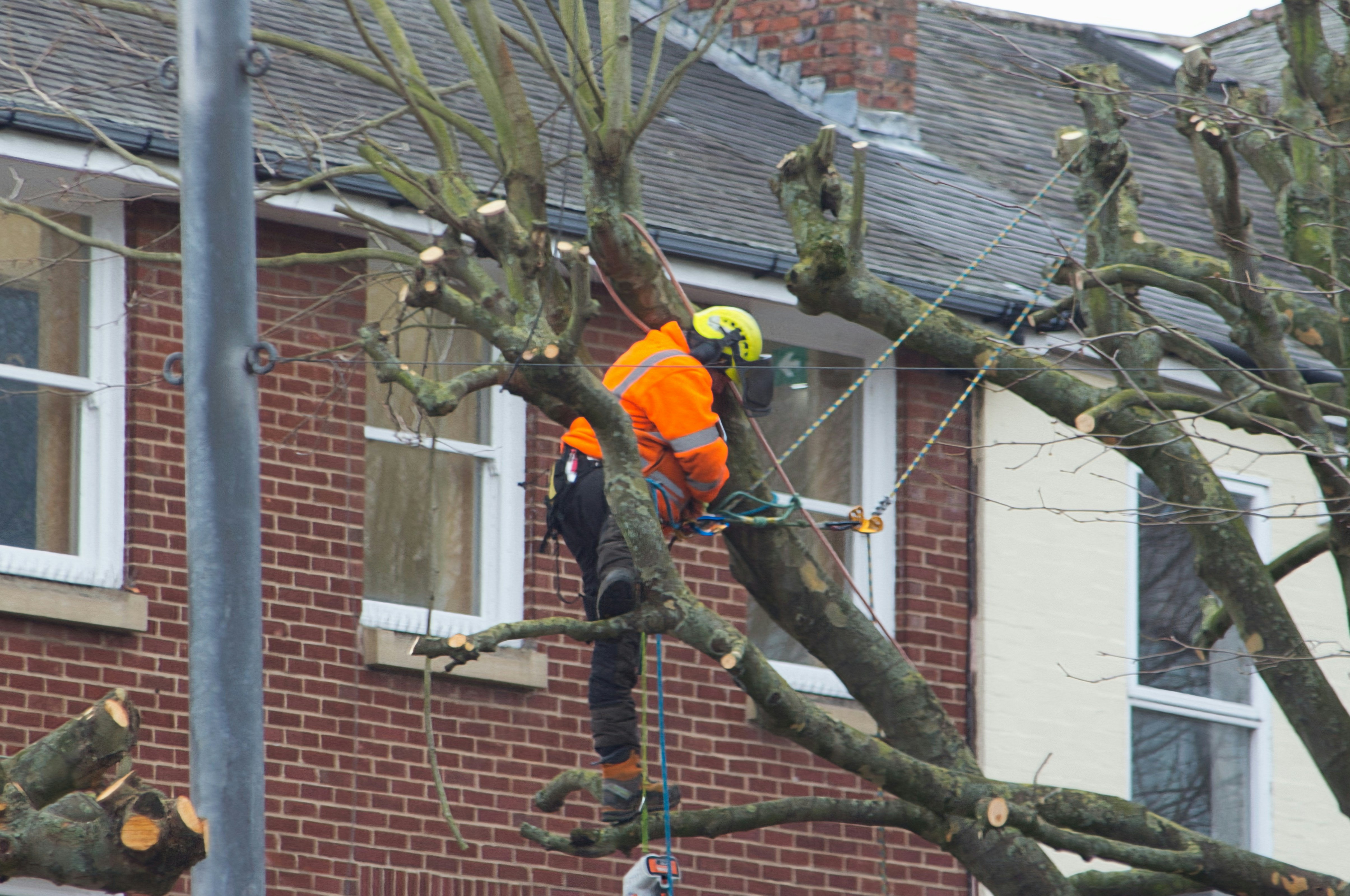
Based on the latest data from ServiceSeeking.com.au, arborist prices in 2026 reflect the specialised nature of tree work, with homeowners typically paying around $182.29 per hour or approximately $1,315 for a standard job. For larger or more complex work, daily rates can average $1,422.69, particularly where heavy equipment or multiple crew members are required. Lower rates do exist for small-scale jobs, with hourly pricing starting from as little as $35.00.
Keep in mind that these figures can vary depending on several factors, including the scale and requirements of the job.
Because tree services range from straightforward pruning to large tree removals in difficult locations, pricing can differ significantly. Understanding how arborists structure their quotes is one of the most reliable ways to estimate what you might pay.
From all arborist quotes submitted on ServiceSeeking, pricing structures tend to follow three main formats:
Hourly rates are the most common, particularly for smaller jobs such as trimming, pruning, or general maintenance, where the time required can vary. Day rates are often used for more involved work, including multiple trees or jobs requiring specialised equipment.
Fixed pricing is typically offered when the scope is clearly defined—such as a single tree removal with straightforward access—allowing arborists to provide a more precise quote upfront.
Here’s a breakdown of typical arborist costs based on the latest available data:
These figures provide a useful baseline for homeowners, but actual quotes will depend heavily on the type of work involved.
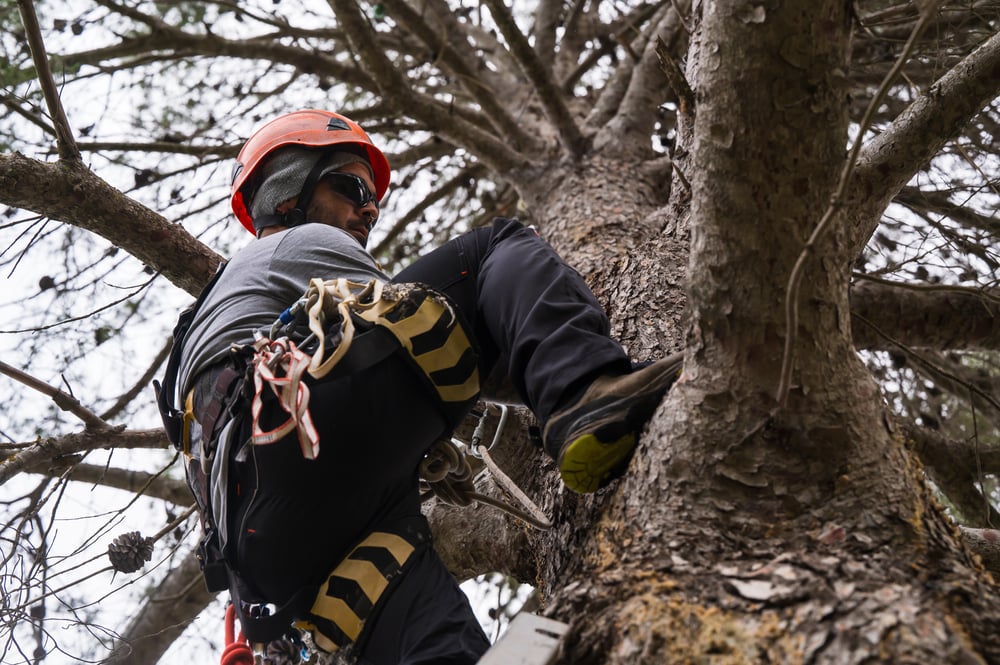
Arborist pricing is rarely one-size-fits-all. Several key factors influence how much you’ll ultimately pay.
The size and height of the tree are one of the biggest cost drivers. Taller trees require more time, specialised equipment, and additional safety measures. Similarly, trees with wide canopies or dense branches can increase labour time.
Access also plays a major role. Trees located in tight spaces, near buildings, or close to power lines are more complex to work on and often require careful dismantling rather than straightforward cutting.
The type of service matters as well. Pruning and trimming are generally less expensive than full removals, while stump grinding, root management, and emergency storm work can increase costs.
Finally, safety and equipment requirements can influence pricing. Jobs that require cranes, elevated work platforms, or additional crew members will naturally attract higher quotes due to the added resources involved.
While prices vary, most arborist jobs fall into a few common categories. Tree pruning and trimming are usually on the lower end of the pricing scale, particularly for smaller trees or routine maintenance.
Tree removal tends to be more expensive, especially for large or hazardous trees. Costs can rise further if the tree needs to be dismantled in sections rather than felled in one go.
Stump grinding is often quoted separately and may be priced either per stump or included as part of a broader job. Emergency tree services, such as storm damage clean-up, can also come at a premium due to urgency and risk.
There are situations where arborist prices can exceed the typical ranges. For example, emergency call-outs after storms often involve higher rates due to urgency and safety risks.
Jobs involving protected trees or council regulations may also require permits or additional planning, which can add to the overall cost. Likewise, trees located on sloped land or difficult terrain may require specialised access equipment, increasing labour time and expenses.
In some cases, waste removal and clean-up can also affect pricing. If large volumes of debris need to be removed from the site, this may be reflected in the final quote.
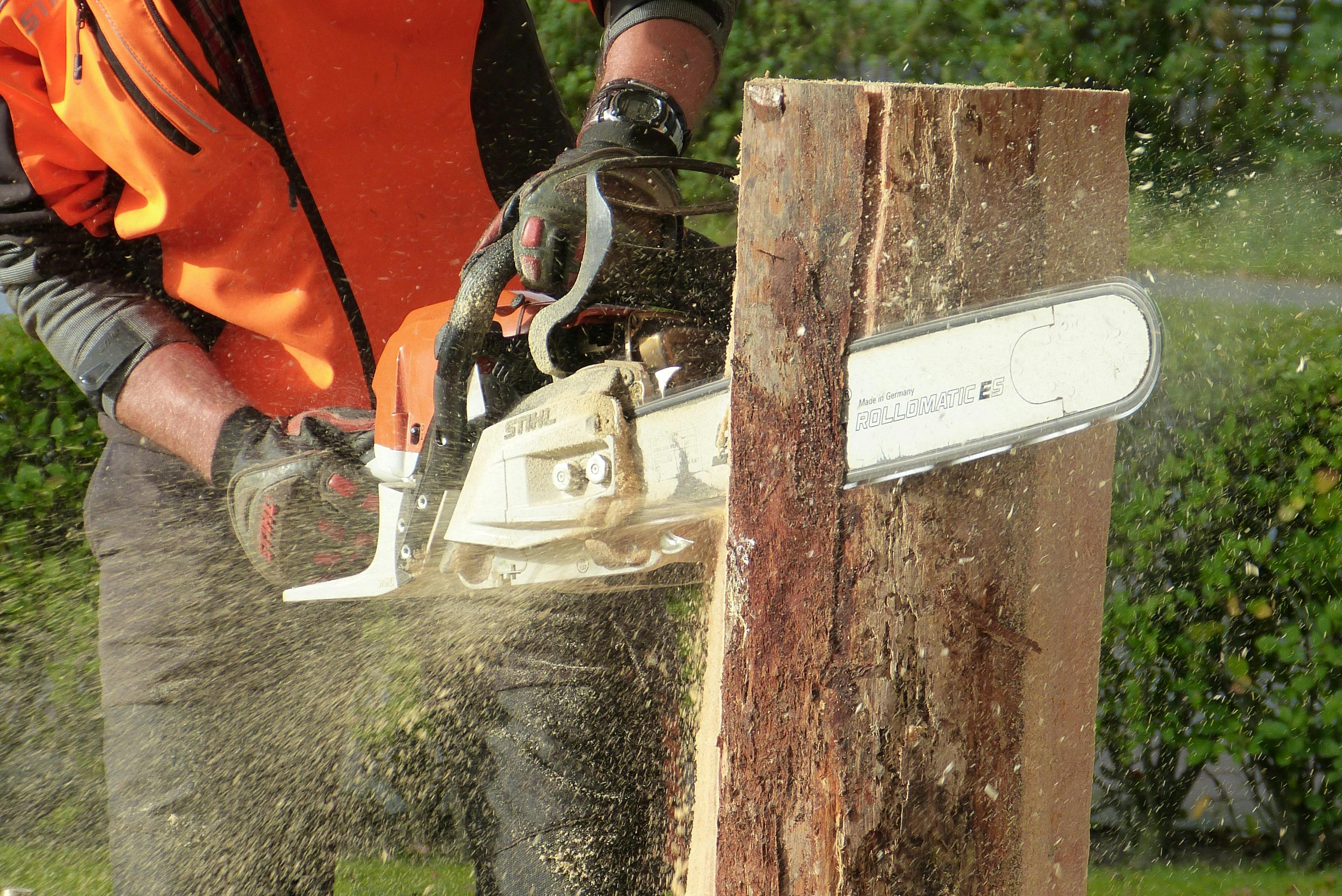
For homeowners, the best way to approach arborist pricing is to compare multiple quotes and ensure each one clearly outlines the scope of work. Look for details around labour, equipment, clean-up, and any additional services included.
It’s also worth noting that the lowest quote isn’t always the best option. Tree work involves safety risks and technical expertise, so experience and proper equipment should be factored into your decision.
Tree work can be more complex than it appears, particularly when safety, structural integrity, and long-term tree health are involved. Hiring a qualified arborist ensures the job is handled efficiently and in line with local regulations.
ServiceSeeking makes it easier to connect with experienced arborists, compare quotes, and find professionals suited to your specific job requirements.
All prices listed in this guide are based on recent data from ServiceSeeking.com.au and are intended as a general guide only. Actual arborist prices may vary depending on your location, the complexity of the job, site conditions, and other factors.

Architects on ServiceSeeking.com.au charge an average of $101.26 per hour for residential architecture, with the average job costing $10,000....
Here are waterproofing costs in Australia and what a waterproofing company typically charges for bathrooms, balconies, and other areas.
A walk-in pantry is the quintessential "a place for everything, and everything in its place" area. Here are some basic tips when creating a walk-in...